




Caribbean: Private Residences with Distinct Island and Coastal Identities
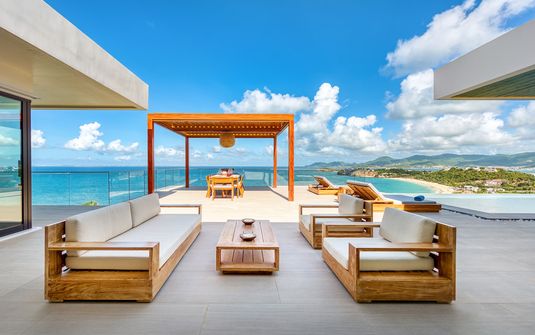
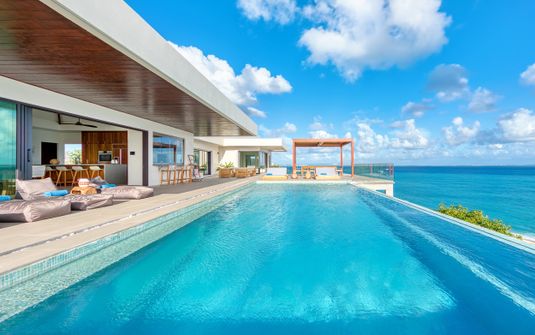
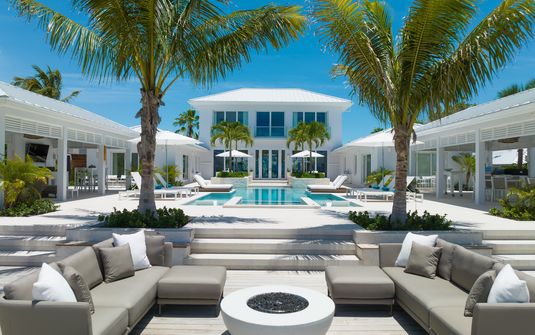
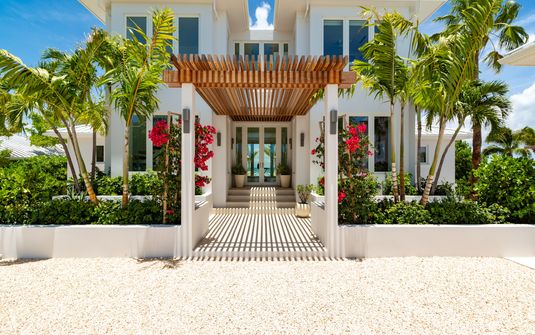
The Caribbean collection brings together markedly different residential landscapes. Low coral islands, volcanic hills, established gardens and coastlines shaped by sheltered bays create individual settings for a private home. A substantial residence makes those differences personal through its rooms, materials and grounds. The appeal is the opportunity to inhabit an address with a clear identity, allowing the house itself to contribute meaningfully to the stay rather than treating the region as one uniform image of water, sand and tropical seclusion.
A private villa can be expansive without losing intimacy. Principal rooms may open towards a broad coastal prospect, while suites and smaller sitting areas establish a quieter inner world. The particular property determines the balance between openness, enclosure and household independence. A distinguished home gives the whole group comfortable shared spaces and protected personal accommodation, with architecture and landscape working as one composition. That coherence makes the stay substantial beyond the initial view, allowing familiar rooms and exterior spaces to retain an individual character over time.
Distinct Destinations within the Collection
Anguilla
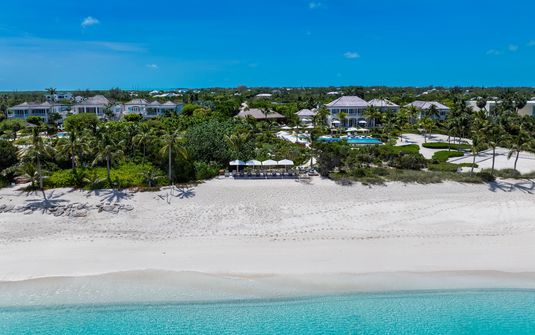
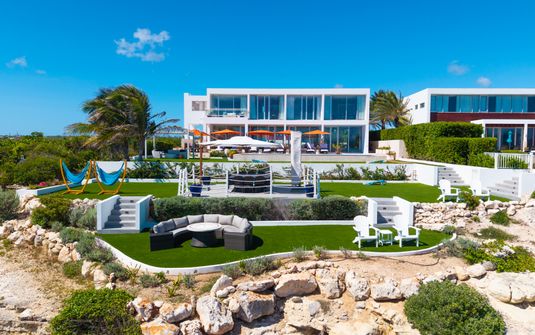
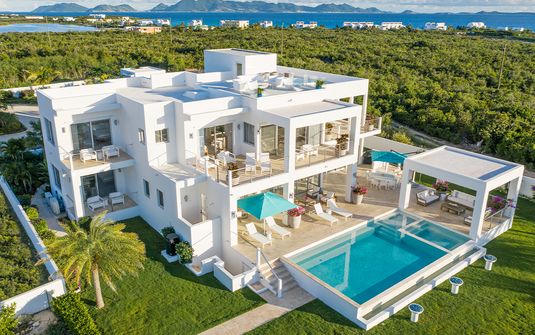
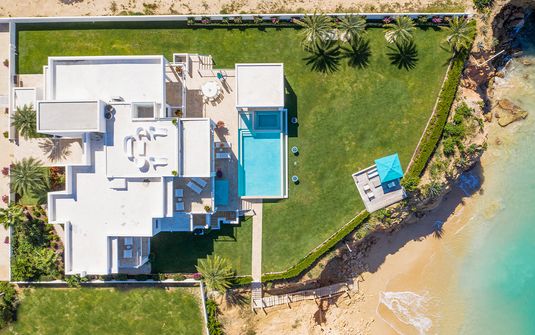
Anguilla offers a low island landscape in which coast, sky and the immediate grounds can carry much of a residence’s visual identity. A house may engage with a broad water horizon or a more enclosed bay setting, with the garden providing a personal foreground. Contemporary forms and more traditional domestic proportions can each work convincingly here. The distinction lies in the relationship between the actual rooms and site, allowing a generous coastal residence to retain protected suites and quieter exterior spaces alongside its more open communal areas.
Antigua and Barbuda
Antigua and Barbuda brings together different island forms, from Antigua’s indented coastline and rising ground to Barbuda’s lower, more open coastal character. These settings offer distinct residential perspectives rather than one shared formula. A villa above a bay can have a layered outlook, while a lower shoreline address relies more on its immediate garden and exterior rooms for enclosure. The house becomes most individual through its precise position, with the architecture giving the broader island landscape a comfortable domestic scale.
Bahamas
The Bahamas offers an archipelagic setting whose low landforms and extensive shallow-water landscapes create a distinctive sense of horizontal space. A private residence can use a garden edge, veranda or carefully framed opening to bring that broader prospect into the home. Different islands and shorelines provide different degrees of enclosure, making the actual address central to the stay. A substantial house feels most complete when its interiors and grounds retain their own character, giving the household more than one relationship with the surrounding water.
Barbados
Barbados combines a strong residential architectural tradition with varied coastal and garden settings. Older houses can derive their presence from substantial proportions, verandas and established planting, while contemporary villas offer another interpretation through simpler forms and broader openings. The particular part of the island shapes the atmosphere, from a more contained garden address to a residence receiving an open coastal prospect. The strongest home preserves this specificity, allowing material character and thoughtful private accommodation to contribute as much as the view beyond the main rooms.
Bermuda
Bermuda adds a geographically distinct North Atlantic perspective to the collection. Its pale coastal landforms, coloured façades and characteristic white roofs provide a recognisable architectural setting, with gardens and carefully enclosed exterior areas giving a residence personal scale. A private house can feel closely connected to this established landscape without depending on complete isolation. The relationship between rooms, neighbouring buildings and the surrounding coast determines the experience, allowing the home to offer discretion through its actual composition and a clear sense of place.
British Virgin Islands
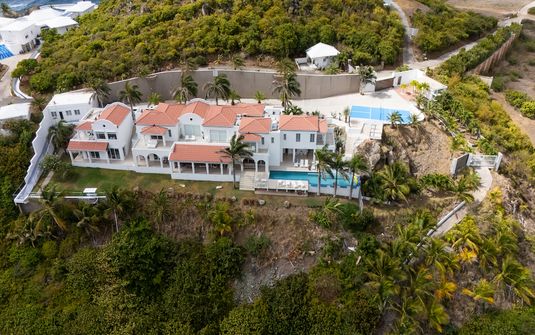
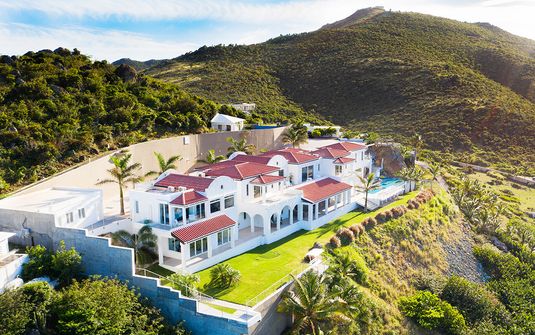
The British Virgin Islands offers several island contexts, with rising ground, coastal vegetation and distinctive rock formations creating different foregrounds to the surrounding water. A residence can receive a layered prospect across neighbouring landforms rather than a single uninterrupted horizon. The actual island and site matter, giving each home its own balance of openness and enclosure. Separate accommodation pavilions or quieter suites can provide personal autonomy within that setting, while a clear communal centre holds the household together in one complete private environment.
Cayman Islands
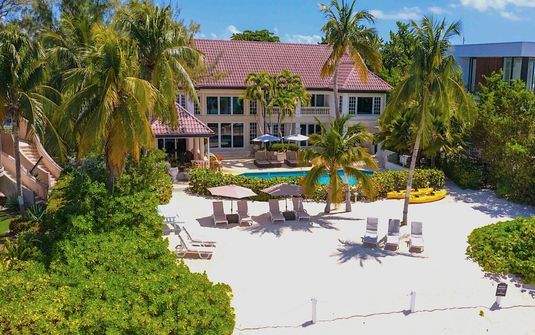
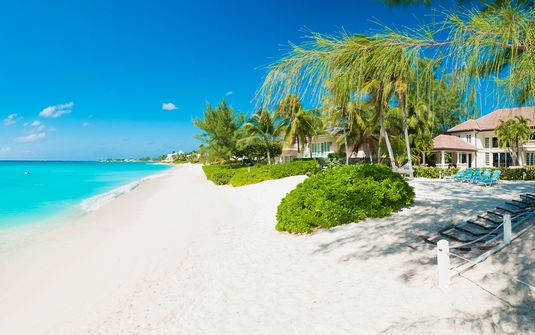
The Cayman Islands provides a lower coastal perspective, where shoreline position and the immediate arrangement of the grounds have a strong role in the residence’s atmosphere. A broad water outlook can be held by a planted garden, covered terrace or the proportions of a principal living room. The home’s privacy depends on the precise address and surrounding buildings, making orientation and enclosure important architectural qualities. A distinguished villa gives the household protected personal spaces alongside its more open coastal rooms, preserving domestic comfort within the larger prospect.
Dominican Republic
The Dominican Republic introduces a larger-island landscape with substantial inland relief and different coastal residential settings. An estate can use generous grounds to establish a personal foreground, while a more closely composed villa may draw its character from courts, terraces and planted boundaries. The atmosphere varies with the particular site. A home becomes most compelling when its architecture makes that position clear, offering several scales of shared and private space rather than relying solely on acreage or the breadth of a single water view.
Grenada
Grenada gives private residences a setting shaped by green hills and a varied coastline, with the surrounding land often adding depth behind the water outlook. A house can follow the terrain through stepped terraces or create a more contained garden centre near its principal rooms. The relationship between building and ground makes the address individual. Quieter suites and protected exterior spaces provide a personal counterpoint to more open communal areas, allowing the household to experience the island through several distinct but closely related domestic settings.
Jamaica
Jamaica offers a substantial landscape of mountain forms, planted estates and different coastal environments. Its private residences can carry a strong domestic character through verandas, material texture and the relationship between the main house and established grounds. Contemporary interpretations provide another perspective through broader openings and more restrained structural forms. The actual address determines how these qualities meet, giving a home its own balance of garden enclosure, shared rooms and quieter accommodation within a setting whose scale extends well beyond the residence itself.
St. Barths
St. Barths has a particularly close relationship between rising ground, compact coastal settings and residential architecture. A villa can occupy several levels, with terraces and principal rooms directed towards different parts of the surrounding island landscape. The strongest composition gives quieter suites a more protected orientation, preserving personal space alongside the broader outlook. Restrained contemporary interiors and carefully related exterior rooms can make a house feel generous without losing intimacy, allowing the actual position and proportions of the residence to provide its lasting character.
St. Croix
St. Croix offers a different island scale through its combination of more open land, hills and coastal settings, with established architectural references contributing to its residential identity. A private house may draw atmosphere from substantial walls, a garden court or a longer water prospect. These are distinct experiences within the same destination. A well-composed residence makes its particular relationship with the land clear, giving the household comfortable shared rooms and protected accommodation whose character belongs to the address rather than to a general image of island seclusion.
St. Kitts and Nevis
St. Kitts and Nevis brings two volcanic island contexts into the collection, with prominent rising landforms providing a strong counterpoint to the surrounding coast. A residence can receive a broad mountain-and-water perspective or concentrate more closely on its immediate garden. The specific site gives the home its atmosphere. Separate wings, considered suites and exterior rooms with different orientations can create a complete domestic range, allowing a substantial property to feel personal while retaining a clear relationship with the larger island forms around it.
St. Lucia
St. Lucia offers a landscape with pronounced relief, giving some coastal residences a particularly dramatic relationship between building, vegetation and distant landforms. The outlook varies by address, and the island’s most recognisable mountain silhouettes should not be assumed from every home. A considered villa uses its actual position well, framing selected views while preserving quieter rooms and more enclosed exterior areas. Timber, stone and contemporary forms can each contribute to a residence whose distinction comes from its fit with the particular terrain.
St. Martin
St. Martin provides different residential contexts across the island’s French and Dutch sides, with hills, bays and established neighbourhoods creating varied settings for private homes. A more inward-facing garden villa offers a different atmosphere from a house with an expansive coastal orientation. The architecture gives those settings a personal scale through courts, terraces and the placement of suites. Meaningful privacy is established through the actual property arrangement, allowing the household to inhabit an independent residence within a landscape whose surrounding built character remains part of its identity.
St. Thomas
St. Thomas gives the collection a strongly elevated island perspective, with hillside positions capable of revealing several layers of coastline, surrounding water and neighbouring landforms. The actual address determines how these views enter the residence. A principal room may receive a broad prospect, while a suite looks more quietly towards planting or an enclosed court. This range allows a home to feel architecturally substantial and personally comfortable, with privacy grounded in orientation and the relationship between occupied spaces rather than inferred from elevation alone.
St. Vincent and the Grenadines
St. Vincent and the Grenadines introduces a varied island chain whose settings differ in terrain, coastline and residential scale. The larger volcanic context of St. Vincent and the more dispersed Grenadine islands create distinct possibilities for a private home. The precise island remains central to understanding the stay. A garden residence, a coast-facing estate and a more elevated villa each offer different degrees of openness, with the architecture bringing the surrounding landscape into a personal frame through coherent rooms and protected accommodation.
Tobago
Tobago offers a residential setting in which wooded ridges and varied coastal ground can give a home a close relationship with vegetation as well as water. A villa may draw its atmosphere from a planted slope, an enclosed garden or a more open bay prospect. The particular site determines the character of the residence. Covered exterior rooms and carefully positioned suites can create several degrees of intimacy, allowing the household to occupy one complete private environment whose identity remains tied to the island’s actual terrain and coastal foreground.
Turks and Caicos
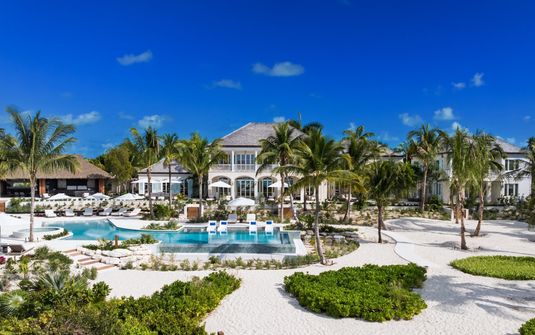
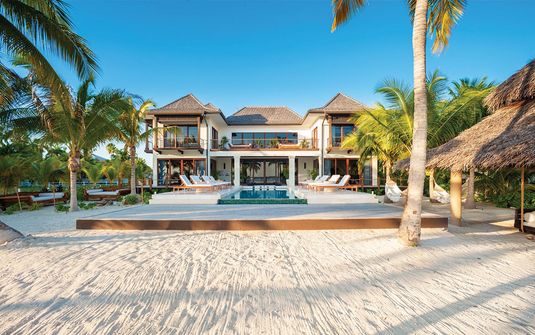
Turks and Caicos brings a lower island landscape and broad coastal horizons into the collection, giving architecture a strong role in establishing domestic enclosure. Contemporary residences can use generous openings and terraces to engage with the water, while gardens, quieter courts and carefully oriented suites protect personal space. The atmosphere depends on the exact island and shoreline position. A distinguished home feels complete through its interior and exterior rooms, offering the household a range of settings beyond the visual scale of one expansive waterfront view.
U.S. Virgin Islands
The U.S. Virgin Islands provides a wider regional perspective on several distinct island landscapes and residential settings. The experience of a private home depends on the particular island, its terrain and the pattern of surrounding accommodation. A residence can establish privacy through planting, orientation and the relationship between communal rooms and personal suites. Its refinement becomes most meaningful when the actual address remains clear, allowing the household to inhabit a home with its own architectural identity rather than treating the entire island group as one uniform form of retreat.
Architecture That Gives the Landscape a Personal Scale
Across the collection, a residence gains depth through the relationship between generous and intimate spaces. A principal salon may engage with a broad outlook, while a smaller sitting room or garden-facing suite introduces another atmosphere. Traditional materials and contemporary forms can each create a distinctive home when their proportions belong to the site. Furnishings and lighting give these rooms a comfortable domestic purpose, allowing refinement to remain apparent through everyday occupation instead of concentrating all architectural interest in one imposing communal volume or prominent glazed façade.
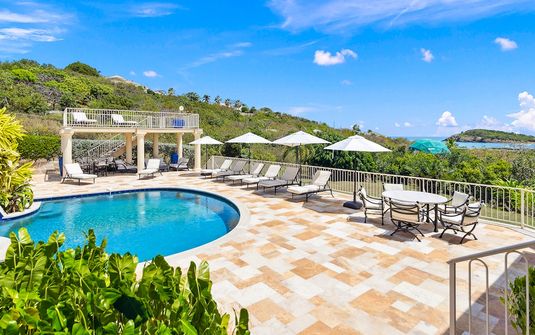
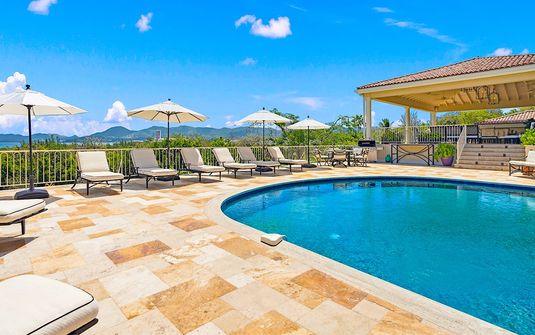
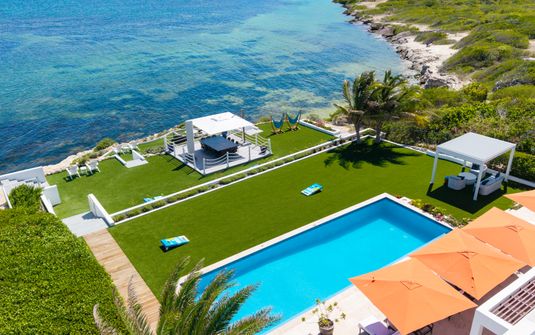
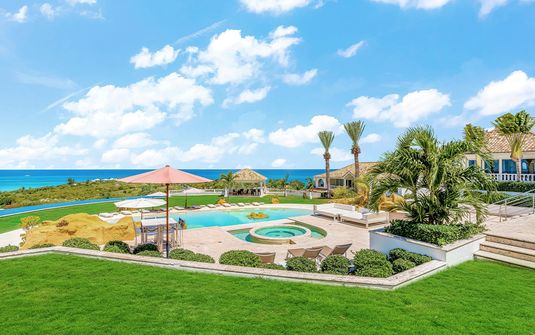
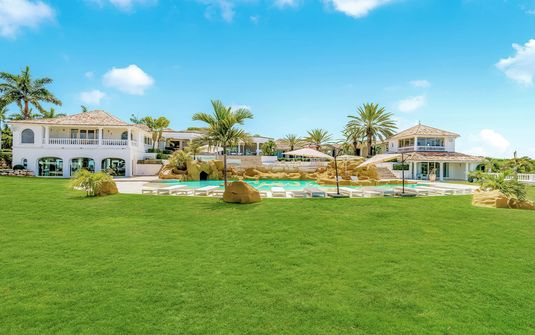
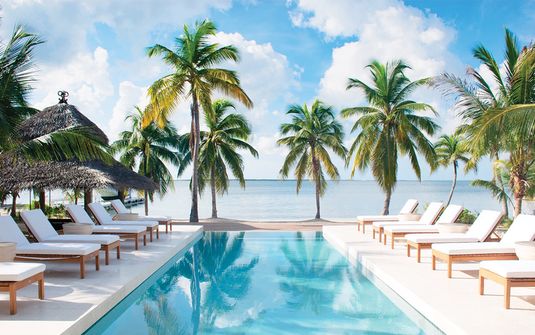
The grounds belong to the same composition. A terrace, planted court or covered exterior room can provide a personal foreground to the surrounding landscape, while quieter spaces create another degree of privacy near suites. Where a pool forms part of the residence, its position should be understood in relation to adjoining accommodation and communal areas. The value comes from how comfortably these elements work together, giving the household several distinct settings within one coherent home rather than a series of unrelated features arranged around an attractive coastal address.
Discretion within the Household and the Address
Independent suites allow couples or different generations to maintain personal routines while sharing a complete private residence. Separate wings or pavilions offer one domestic pattern, while a more unified house creates closer internal connections. Consistent comfort matters in either arrangement, including rooms away from the broadest view. Several well-related communal spaces allow shared time to take different forms, making the residence flexible in use without requiring every routine to be collective or obliging the household to choose between one main salon and complete withdrawal into bedrooms.
Privacy also depends on the precise setting. A long horizon, an extensive plot and complete visual separation are different qualities. Neighbouring buildings, window orientation and the enclosure of exterior rooms influence how freely a property can be occupied. Where discreet household support is included, considered working areas help practical care integrate quietly with private life. These relationships give discretion an everyday architectural expression, grounding the stay in the actual composition of the home rather than assuming that every island address occupies an isolated or exclusively controlled landscape.
A Private Stay with an Individual Island Character
The collection’s breadth is most valuable when the differences between its destinations remain legible. A low coral-island residence and a villa on volcanic ground offer different forms of retreat, as do an older garden estate and a more contemporary coastal home. Their common appeal lies in the opportunity to inhabit a complete private environment with space for both company and independence. The household experiences the destination through rooms and grounds whose particular materials, proportions and outlooks make the address individual, giving the residence substance beyond a repeated promise of exceptional luxury.
A lasting stay is often defined by the familiarity of a specific place within the home: a quiet room held by planting, a terrace following the ground or a carefully framed view across the coast. These details bring the larger island setting into a personal domestic rhythm. A distinguished residence gives them coherence through comfortable shared rooms and protected accommodation, allowing its refinement and discretion to remain meaningful throughout the stay. The result is a private home whose character belongs to its actual landscape and whose value extends well beyond the initial panorama.


