




Florence: Private Residences with a Distinct Architectural Inheritance
Florence offers a residential experience shaped by substantial masonry, ordered façades and interiors whose proportions can convey a particularly assured sense of space. Within Tuscany, the collection includes the architectural intimacy of the city and the more garden-led settings of its surrounding hills. A private stay can therefore be urban or more withdrawn in atmosphere, with the exact residence determining how the household relates to the built landscape, planted grounds and wider contours around it.
In Italy, few city settings have such a strong architectural identity, yet the appeal of a private home is not limited to a famous skyline. The depth of an entrance passage, the scale of a court and the sequence of rooms behind a façade can give the address an equally personal character. The most convincing residence allows those details to remain meaningful while providing the ease of a complete domestic environment, rather than requiring the household to inhabit a formal historical display throughout the stay.
The Palazzo as a Residential Framework
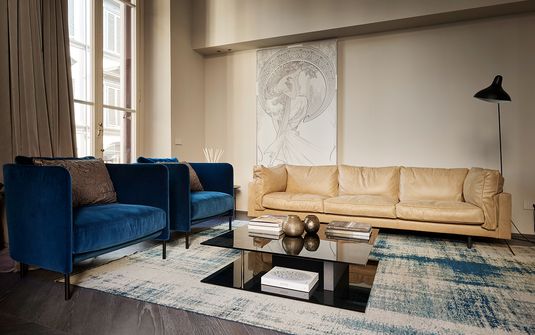
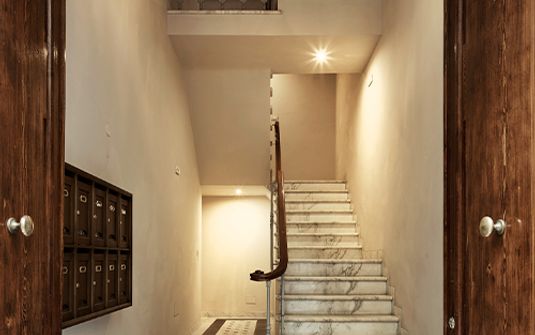
A historic building can establish a deliberate progression from street to entrance hall, stair and principal rooms. The façade supplies only the first impression; the domestic world beyond it may be more generous and varied than its exterior suggests. A substantial apartment benefits when its original proportions remain legible, allowing ceiling height, openings and the rhythm between rooms to provide much of the character. Contemporary furnishings can introduce ease without erasing the architectural framework that gives the residence its identity.
Street-facing and inward-facing rooms offer different experiences of the same building. A principal salon may participate in the wider urban composition, while a room overlooking a court has a more contained outlook. These distinctions give the home depth when they have clear roles in the plan. A quieter interior can be valued for its intimacy rather than treated as secondary simply because it does not command the broadest panorama, allowing the whole residence to feel considered rather than concentrated around one celebrated view.
The Threshold of the Courtyard
An internal court provides another scale of Florentine architecture. Masonry, openings and the geometry of the enclosed space can create a protected setting that is distinct from the street outside. Where planting is present, it introduces a softer texture without replacing the underlying structure. The relationship between windows and neighboring rooms determines the actual privacy, but a well-resolved court can give the residence a strong domestic reference, allowing the household to feel connected to the building while remaining separate from the wider city.
Private terraces, where included, offer a different relationship with the urban landscape. Rooflines and surrounding façades can become part of the outlook, giving the exterior a specific sense of place rather than an abstract city panorama. Such spaces work best when their scale and boundaries feel continuous with the rooms behind them. The quality is not merely in having an elevated exterior area, but in whether it provides an intimate setting that can be occupied comfortably without assuming a level of seclusion the neighboring buildings do not support.
The Villa and the Surrounding Hills
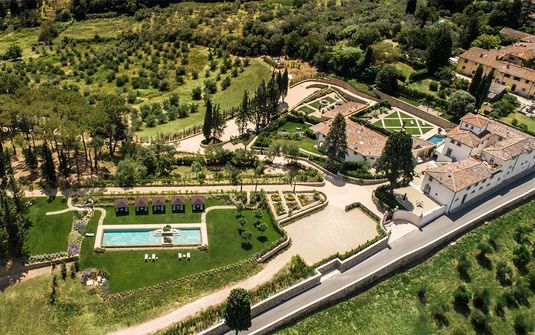
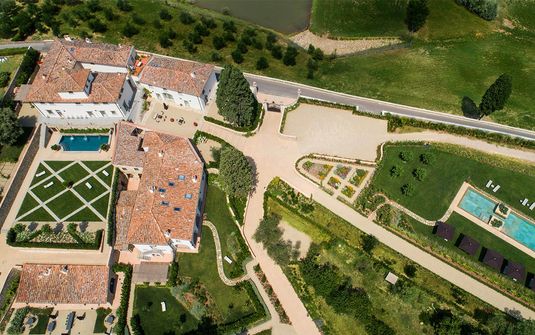
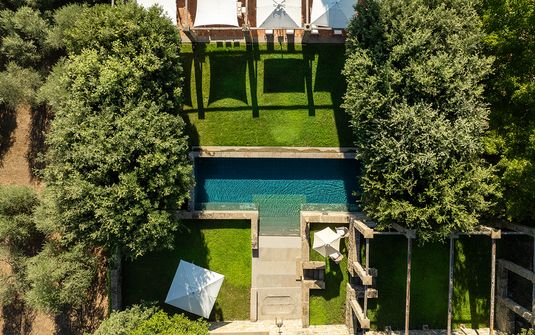
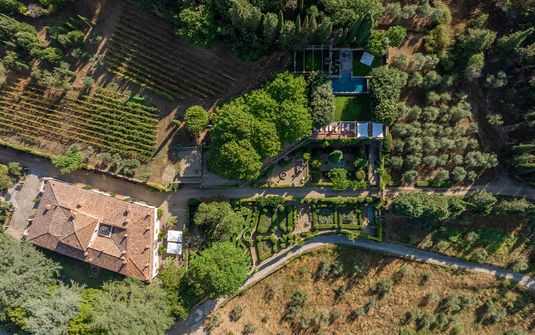
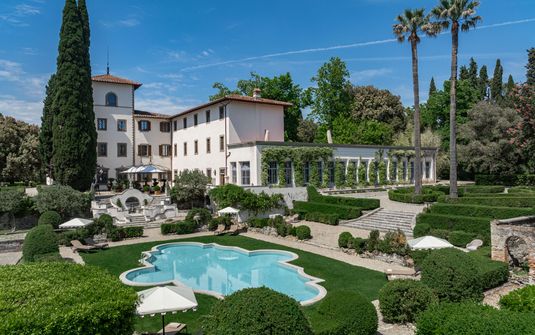
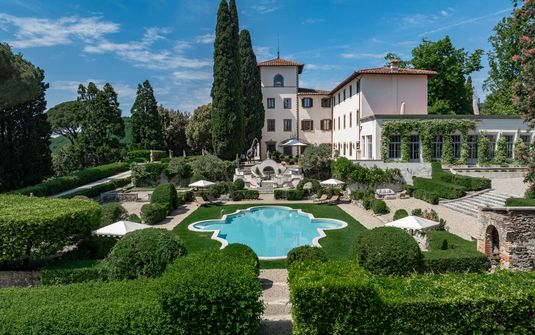
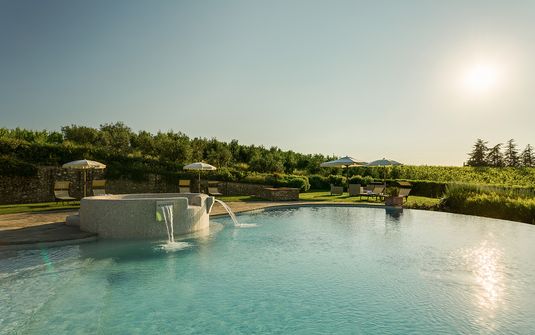
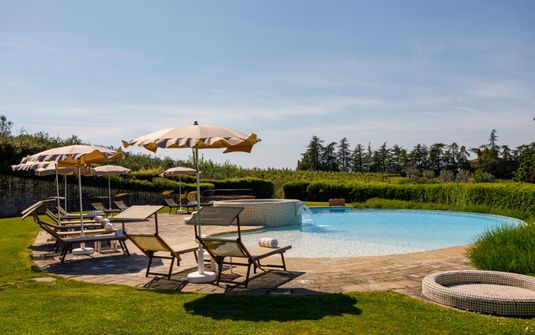
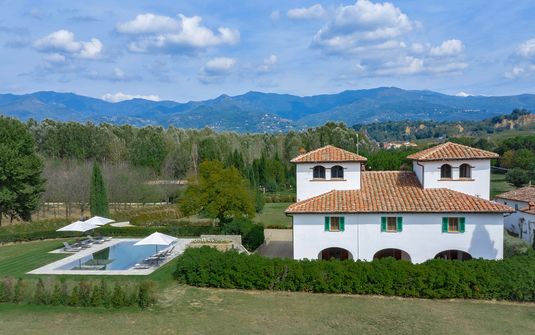
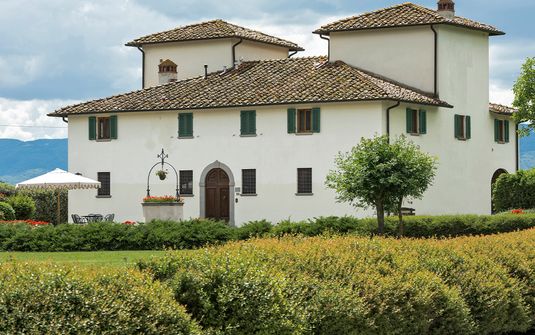
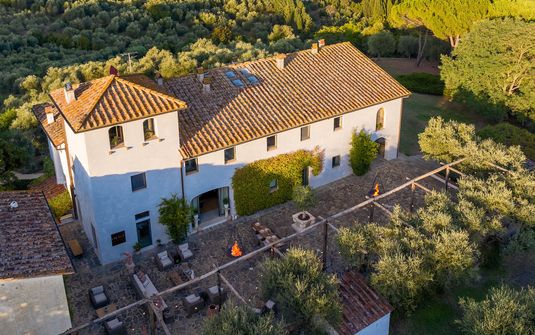
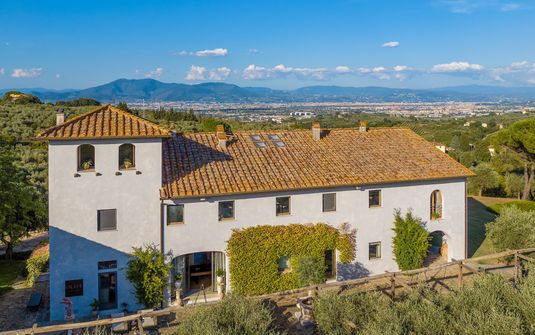
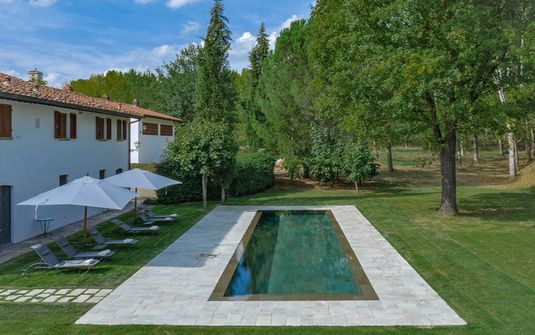
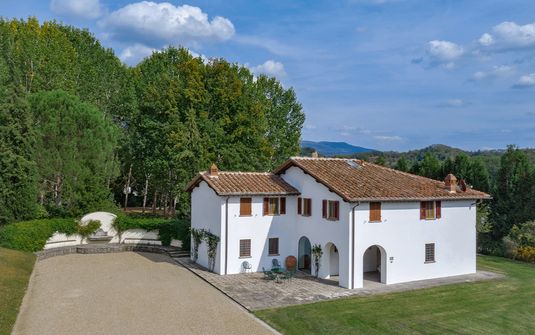
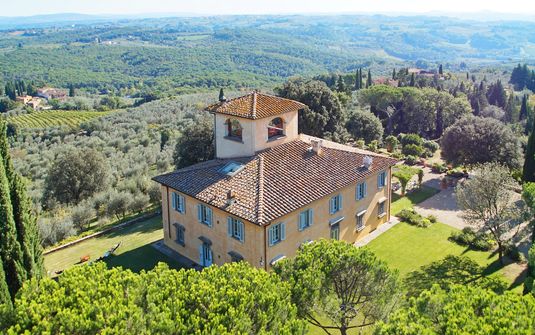
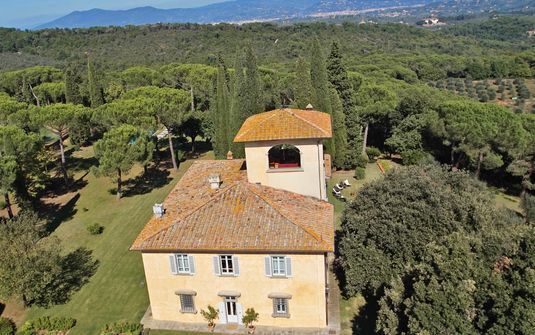
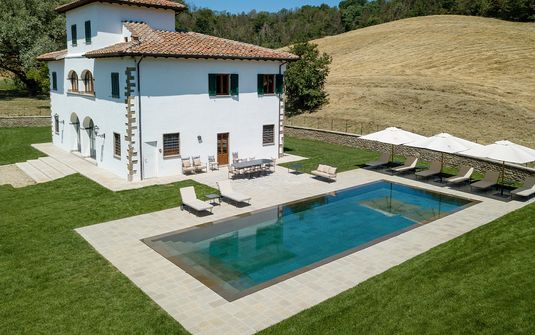
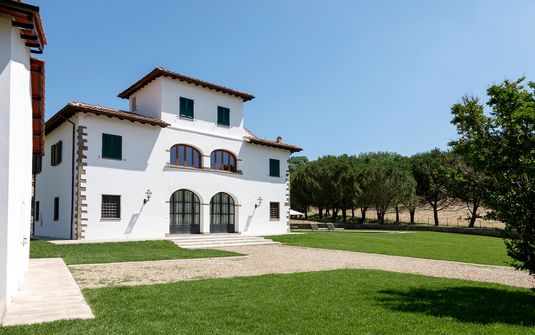
A residence beyond the denser urban fabric can place greater emphasis on approach, grounds and the relationship between the principal façade and garden. The setting may retain a visual connection with Florence while giving the household a more independent exterior world. Mature trees and planted terraces provide a foreground to the broader outlook, allowing a substantial house to feel intimate. This is a different domestic experience from a city apartment, not simply a larger version of the same address with additional space around it.
The interior can reflect that distinction through a clearer sequence between communal rooms and exterior settings. A generous lounge may open towards the garden, while a smaller sitting room or library-like retreat offers a more enclosed atmosphere nearby. The strongest plan gives these rooms individual roles, allowing the residence to support several routines without losing cohesion. Historical character remains valuable, but its substance is most persuasive when it is accompanied by the everyday comfort needed for a sustained private household stay.
Privacy Expressed Through the Whole Plan
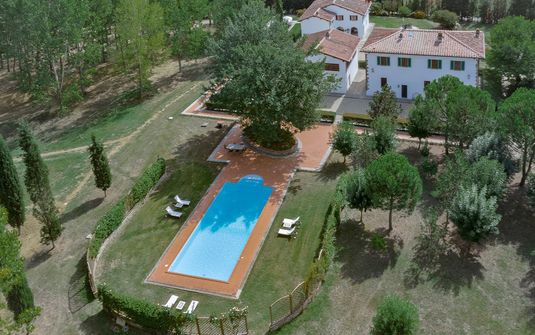
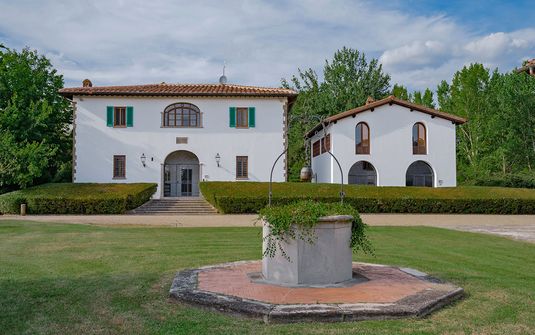
Suite distribution should match the way the group wishes to stay together. Bedrooms within one private zone create a closer household pattern, while separate parts of an apartment, different floors or independent villa wings provide another degree of autonomy. The appropriate arrangement depends on the guests, but all private rooms should offer considered proportions and clear circulation. A distinguished residence gives secondary suites the same architectural attention as the principal bedroom, making comfort a quality of the whole home rather than one exceptional room.
The arrival sequence and ancillary spaces also contribute to discretion. A protected hall keeps communal interiors from feeling like general circulation routes, while quieter rooms can remain separate from private accommodation. Where support forms part of the arrangement, practical secondary areas allow it to be unobtrusive. These are property-specific qualities, but they have a lasting effect on the atmosphere of the stay, making a substantial residence feel easy to inhabit instead of continually requiring the household to negotiate its architectural formality.
A Personal Florentine Address
The character of a private stay is often established by details that become familiar: an old stone opening, the proportions of a quiet room or the view into a planted court. These qualities give the residence substance beyond its location and allow the household to establish its own rhythm within a strongly defined architectural setting. The home need not compete with Florence. It provides a personal center in which the city and surrounding Tuscan landscape remain present without dominating every part of domestic life.
A city apartment and a hill-side villa can each offer that experience when their privacy, proportions and setting are thoughtfully resolved. The lasting distinction is the coherence of the whole address, with generous shared spaces supported by comfortable private retreats. Florence then becomes a refined residential stay with depth and individuality, allowing the household to inhabit architecture that feels complete in its own right and clearly connected to the particular place around it.


