






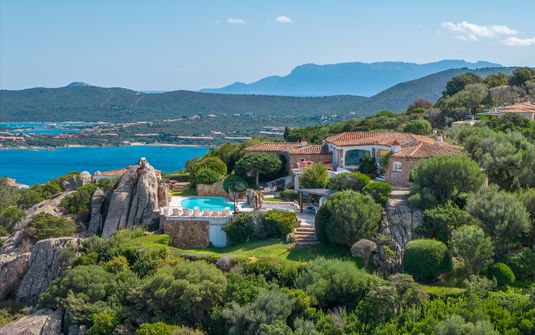

Sardinia: Private Villas in a Landscape of Granite, Gardens and Sea
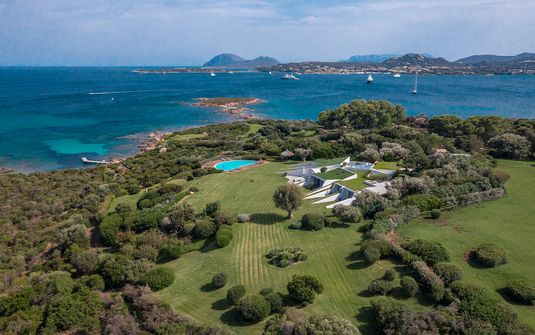
Sardinia offers an island setting with a particularly strong material presence. Sculpted rock, Mediterranean vegetation and a deeply varied shoreline create a landscape in which a private residence can feel closely bound to its site. Within Italy, the island provides a distinctive coastal vocabulary, with houses that may emphasize the texture of stone, the protection of planted grounds and the gradual transition between interior rooms and the water beyond rather than one continuous open façade.
The setting is not uniform from one property to another. A villa overlooking a more enclosed bay has a different atmosphere from a house facing a broader stretch of sea or occupying a sheltered garden position. Inland contours can remain visible even where the principal outlook is coastal, giving the residence depth beyond the shoreline. The quality of a private stay depends on how those conditions are translated into a coherent home, allowing the household to experience a particular part of Sardinia rather than a generalized island image.
Rock and Vegetation as the Immediate Setting
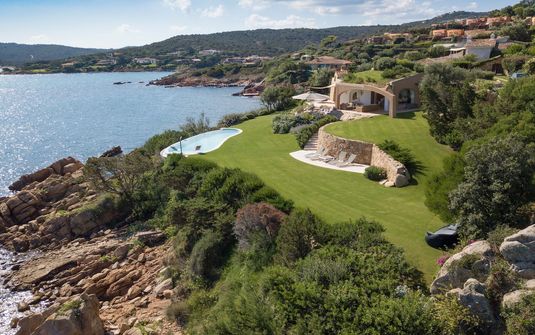
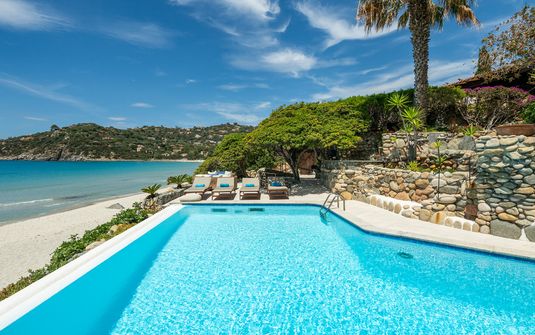
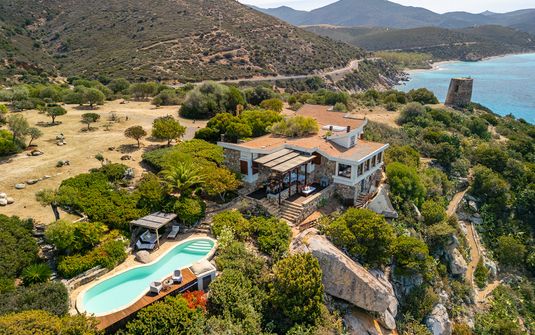
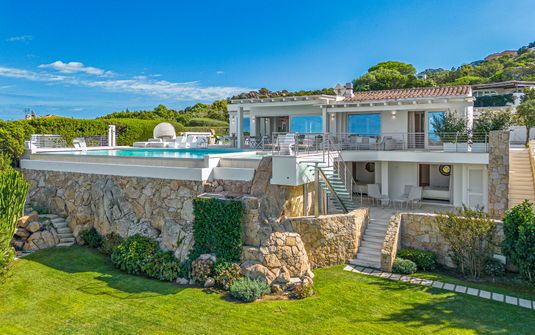
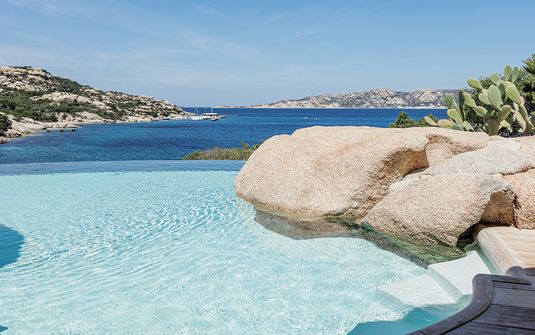
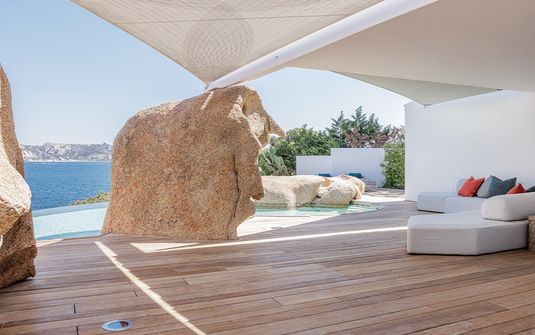
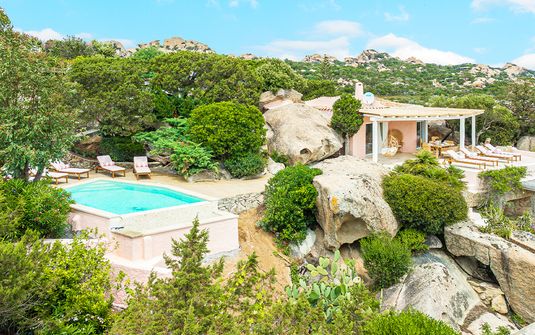
Granite formations give many Sardinian coastal landscapes a recognizable texture, with irregular shapes and warm mineral tones set against lower planting. A house can use that foreground to establish a grounded architectural identity. Stone walls and restrained building volumes feel most convincing when they respond to the actual site instead of treating the land as an empty platform. The surrounding rock then becomes part of the composition, giving terraces and rooms a sense of place before the more distant sea view is reached.
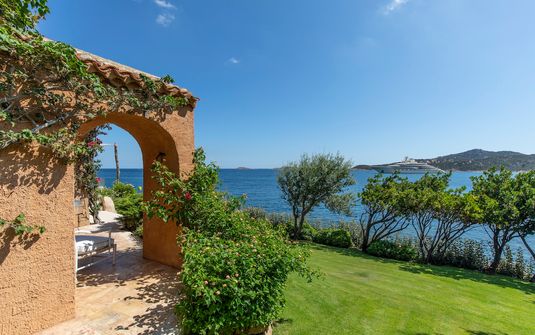
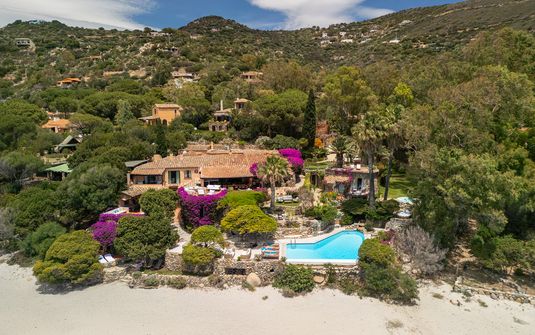
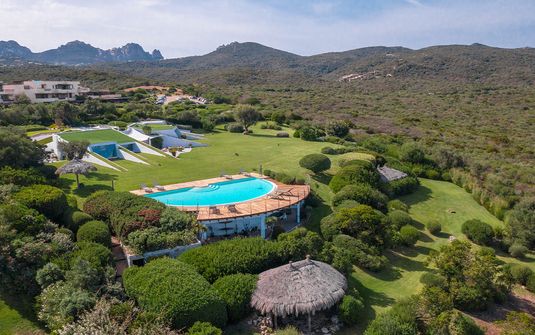
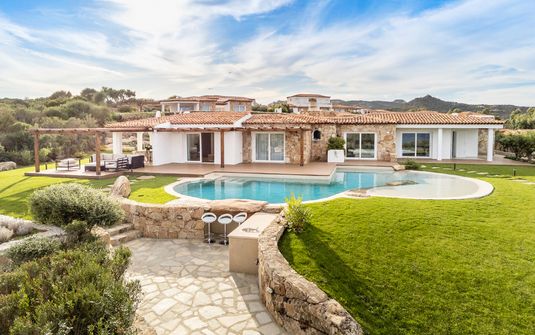
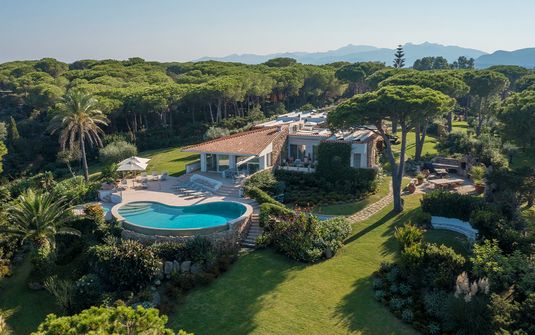
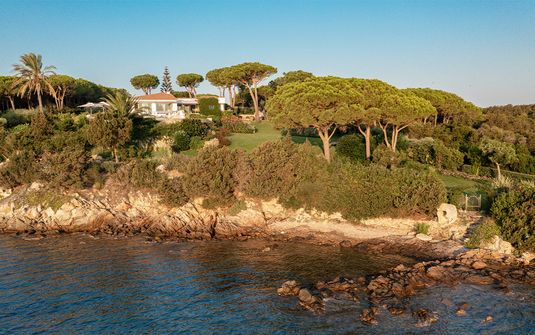
Mediterranean scrub and established garden planting introduce a different scale around the building. They can soften boundaries, frame the water and create more intimate settings close to private rooms. The strongest exterior arrangements allow the house to remain legible while preserving a gradual relationship with the surrounding landscape. A clearly defined terrace provides domestic order, while a softer planted edge prevents the property from feeling detached from the terrain that gives the wider setting its particular character.
A Coastal View with Several Layers
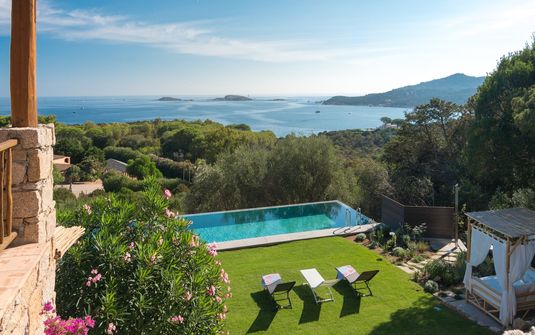
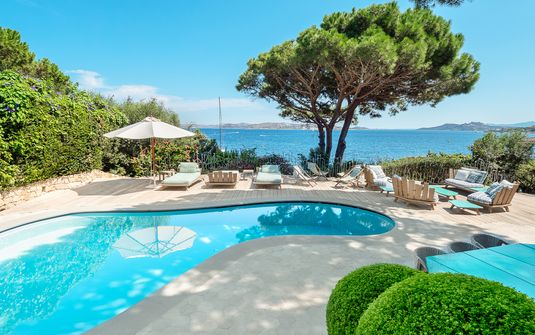
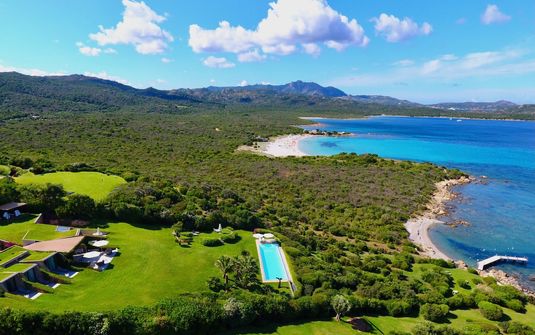
The shoreline can produce an outlook that includes headlands, rock and opposite edges of a bay rather than an uninterrupted horizon. These elements give the view depth and make the position of individual rooms consequential. A broad communal space may face the principal prospect, while a smaller sitting room relates more closely to the garden. A residence gains variety when these perspectives remain distinct, allowing the household to experience the coast through several atmospheres instead of repeating the same panoramic gesture throughout the home.
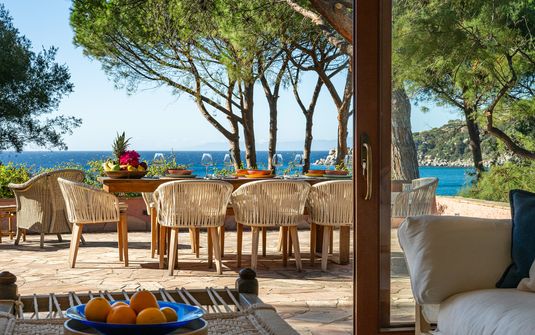
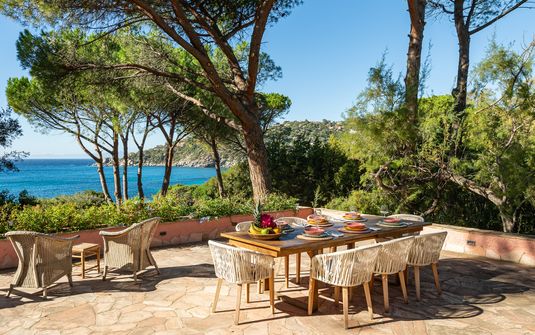
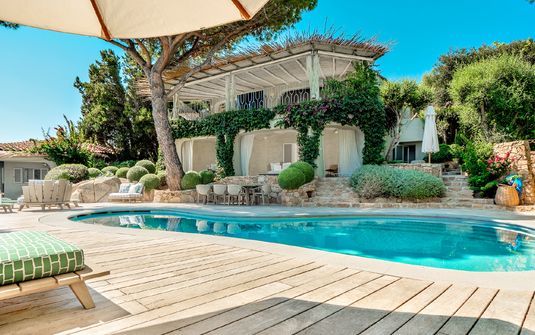
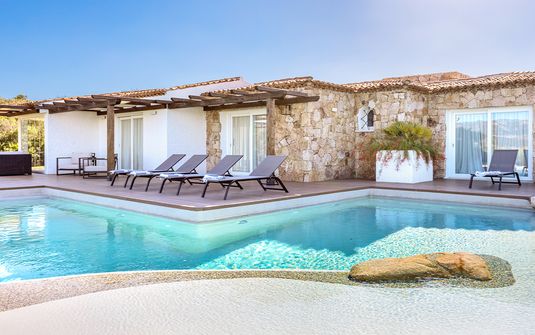
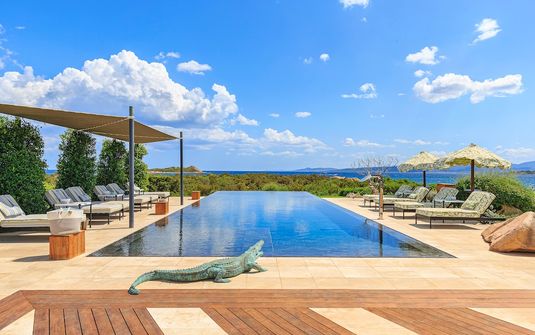
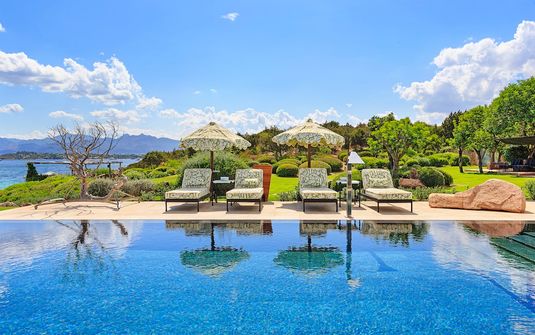
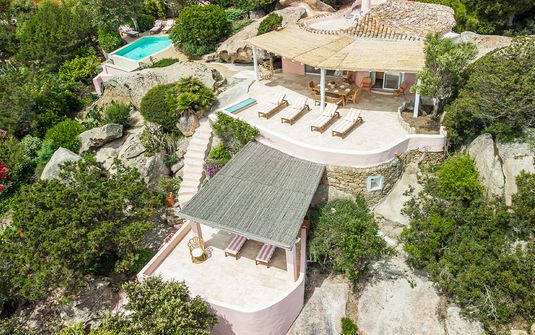
A terrace is most comfortable when the architecture gives it a defined scale. Deep overhangs, a pergola or a protected court can create an exterior room whose intimacy complements the openness of the sea. An expansive view does not require every communal area to remain exposed. The house becomes more livable when the exterior provides choices, including quieter settings where guests can withdraw while remaining within the shared private environment of the residence and its grounds.
A Sardinian Interpretation of Villa Architecture
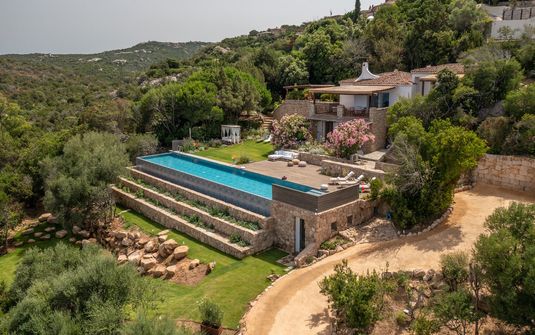
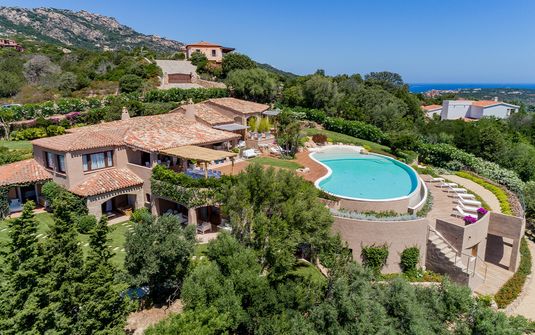
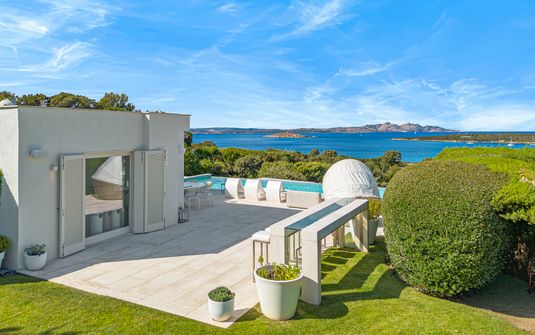
Traditional references can appear through masonry, tiled roofs and a more gradual arrangement of building volumes, while contemporary residences introduce broader openings and clearer interior connections. Both approaches can belong convincingly to the island when their proportions and materials respond to the site. The quality lies in the relationship between solid and open space, giving the house a sense of protection without suppressing the landscape. A restrained exterior can be more distinctive than an elaborate composition that competes with the surrounding rock and shore.
Interiors benefit from a quieter material palette that brings warmth to the coastal setting. Timber details, textured fabrics and considered furniture can give rooms a personal atmosphere without overwhelming their proportions. A principal lounge may form the household’s center, but smaller sitting areas and more enclosed rooms add an important domestic range. During a longer stay, that variety allows different routines to coexist, ensuring that the residence offers more than one attractive communal space directed towards the water.
Independence Across a Shared Property
The arrangement of suites can make a substantial villa feel particularly flexible. Separate wings or connected volumes may provide autonomy for couples or different generations, while a more compact plan creates a closer household pattern. The appropriate balance depends on the guests, but every private room should offer considered comfort and a clear relationship with shared areas. A residence feels generous when secondary suites receive thoughtful proportions and outlooks rather than remaining secondary to one exceptional principal bedroom.
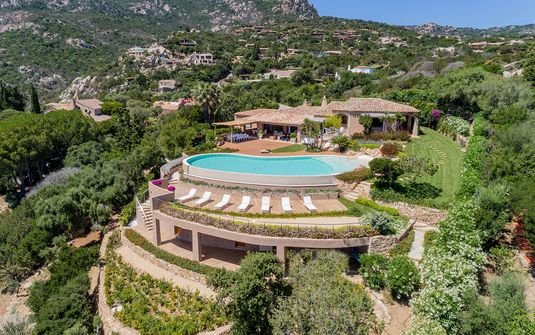
Discretion also depends on the surrounding building pattern. An elevated plot can reveal a broad panorama while leaving some exterior areas visible from neighboring properties. Mature planting, walls and the orientation of rooms can provide more meaningful protection than height alone. Privacy should be understood from the spaces actually occupied by the household, allowing a protected garden-facing suite or a quieter court to be valued alongside the property’s most expansive sea-facing terrace.
An Island Home with a Grounded Identity
Sardinia is especially compelling for guests who appreciate a coast with a strong physical character. The sea supplies breadth, while rock, planting and the architecture bring the experience back to an intimate domestic scale. A private residence can make those relationships part of everyday life, giving the household a familiar center whose character remains connected to the site. The home need not be conspicuous to feel distinguished when its materials, outlooks and protected spaces are coherently resolved.
The enduring appeal lies in that sense of belonging. A carefully restored house and a contemporary villa can each offer a refined stay when the plan supports both shared time and personal independence. In Sardinia, the resulting experience is shaped by the particular meeting of land and water, with a residence that provides comfort and discretion while allowing the island’s textured landscape to remain an essential presence throughout the household’s private stay.


