




Positano: A Private House Within a Vertical Coastal Landscape
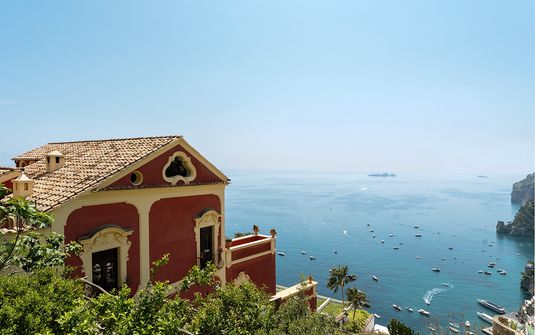
Positano is distinguished by the way its buildings gather along the steep terrain, forming a layered composition of façades, terraces and rooflines above the sea. Within the Amalfi Coast collection, it offers a particularly direct relationship between architecture and topography. A private residence participates in that built landscape even when its interiors feel deeply secluded, giving the household a home whose identity is inseparable from the town’s distinctive form.
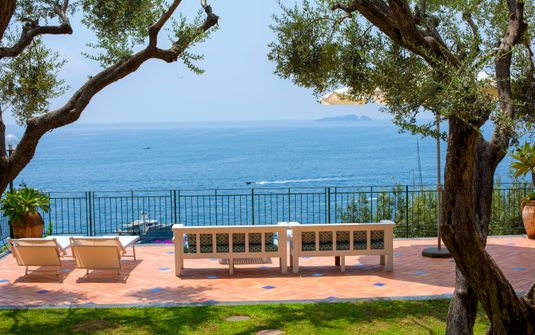
This is a setting in southern Italy where the view is rarely just water. Neighboring houses, planted terraces and the contours of the slope can create a substantial foreground before the horizon is reached. The residential experience depends on how the property frames those layers. A house can feel expansive through its outlook while remaining intimate in its rooms, with walls, courts and carefully defined exterior areas providing a necessary domestic counterpoint to the scale of the coast.
The Architecture of a Terraced Town
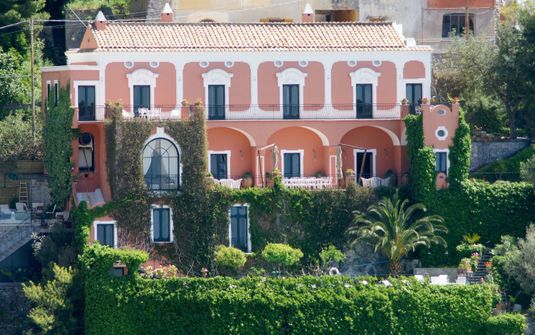
Positano’s visual character emerges through repetition and variation at the same time. Rendered façades, openings, balconies and rooflines form a recognizable whole, yet individual buildings retain their own proportions and colors. A residence does not need to be architecturally isolated to feel distinguished. Its relationship with the surrounding fabric can provide depth and a sense of belonging, particularly where the interior preserves the character of an older house rather than presenting an anonymous shell behind a picturesque exterior.
The slope can give a property several different relationships with the town. An upper room may reveal a broad coastal prospect, while a lower terrace feels more closely connected to neighboring buildings and the immediate planted setting. These changes in perspective make the house richer when they are considered as part of the plan. The principal rooms need not all offer the same view, and a quieter interior can acquire its character through enclosure and material detail rather than through panoramic exposure.
The Terrace as Part of the House
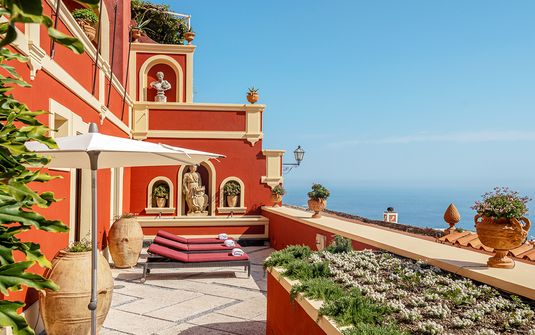
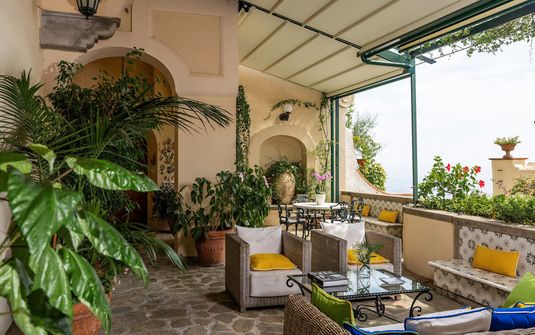
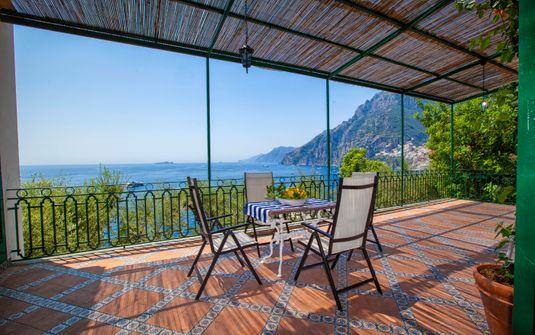
An exterior space in Positano is most convincing when its scale and boundaries are clearly resolved. A deep terrace can feel like a room open to the coast, while a more contained court offers another degree of intimacy. The relationship with surrounding windows and upper-level terraces is fundamental. Privacy is not guaranteed by a broad view or a high position; it is created through orientation, architectural protection and the way the property’s exterior areas fit within the closely composed townscape.
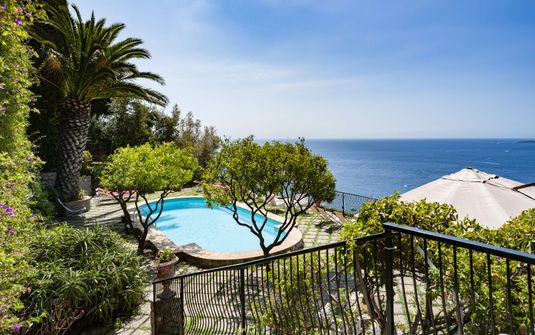
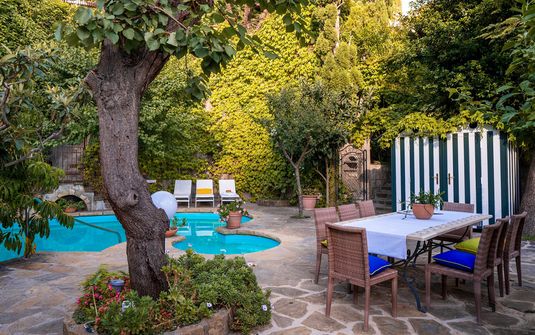
Planting introduces a softer layer into that architecture. Trees, planted walls and defined garden areas can give the foreground texture and help separate different parts of the residence. A communal terrace near the main lounge has a different role from a smaller space beside a private suite. The value lies in that variety, allowing the household to occupy the home in several ways rather than directing every shared and private moment towards one continuous sea-facing platform.
Interiors with a Southern Italian Identity
Traditional houses may retain vaulted ceilings, substantial walls, tilework and rooms whose proportions reflect the gradual development of the building. These features provide character without requiring an overly decorative treatment. Carefully chosen furniture and tactile materials can bring a quieter domestic scale to an expressive architectural shell. The strongest restoration preserves the relationship between the original forms while introducing contemporary comfort discreetly, allowing the residence to feel both rooted and appropriate for sustained private occupation.
The sequence between rooms can be especially important in a house shaped by the terrain. Changes in level may create useful separation, but circulation should remain intuitive for the household. A generous reception space can act as a center, while a smaller sitting room or a more enclosed retreat gives the property another atmosphere. This range makes the home more comfortable over time, ensuring that architectural drama does not displace the practical ease of everyday domestic life.
Private Suites Within a Complex Site
Bedroom placement determines how independently guests can occupy the residence. Suites on different levels may provide clear separation, while closer groupings can suit a family that prefers proximity. The appropriate balance depends on the household, but each private room should have a considered identity of its own. A garden-facing suite can offer a quieter atmosphere than a more exposed sea-facing room, and both can contribute to a balanced home when comfort is given equal attention throughout.
A distinguished property also protects the transition between shared and private areas. The entrance sequence, staircases and access to exterior spaces should allow the household to move naturally without making bedroom zones feel like circulation routes. These quieter planning qualities are often what distinguish a residence that is merely visually impressive from one that supports an extended stay with genuine ease. Privacy is experienced through the daily use of the house, not only through the image presented by its principal terrace.
A Personal Perspective on Positano
A private stay allows the town to be experienced through a familiar domestic setting. The curve of a ceiling, a framed view across neighboring roofs and the enclosure of a planted terrace can become defining parts of the household’s time there. The home does not need to compete with the wider landscape. Its role is to provide a comfortable personal center, allowing Positano’s architectural character to remain present without turning every room into a stage for the same panorama.
The enduring appeal lies in a precise balance of built form, terrain and sea. A residence that resolves those relationships thoughtfully can offer substantial privacy within a strongly connected coastal setting. Historic or contemporary in expression, the house should feel coherent from entrance to suite and from interior to terrace. Positano then offers a refined private address with depth and individuality, grounded in the distinctive vertical composition that gives the town its unmistakable identity.


