




Provence: Private Estates with a Distinct Sense of Place
Provence offers a residential landscape whose identity is built from several enduring elements: limestone villages, cultivated valleys, wooded ridges and houses that establish a deliberate relationship with their grounds. Within France, it provides a particularly rich setting for a private country stay. The architecture can be substantial without becoming ostentatious, drawing its distinction from stonework, carefully proportioned rooms and the mature landscape immediately around the residence.
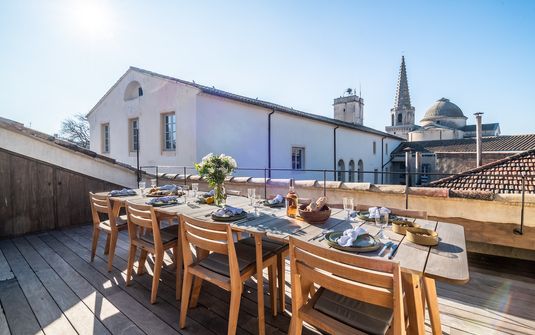
The region should not be understood as one interchangeable image of a pale house beside a garden. An estate near a more urban architectural setting offers a different experience from a farmhouse within an open valley or a villa beneath a limestone ridge. These distinctions affect the outlook, the degree of enclosure and the way the household occupies the property. Provence’s breadth is most rewarding when the choice of residence reflects a precise preference for landscape and domestic atmosphere.
A Landscape of Valleys, Ridges and Cultivated Ground
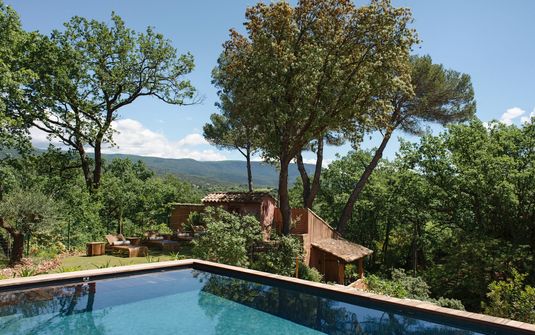
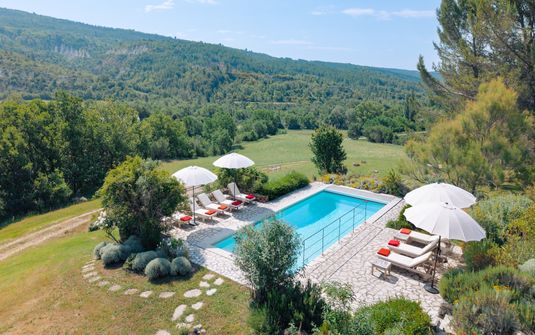
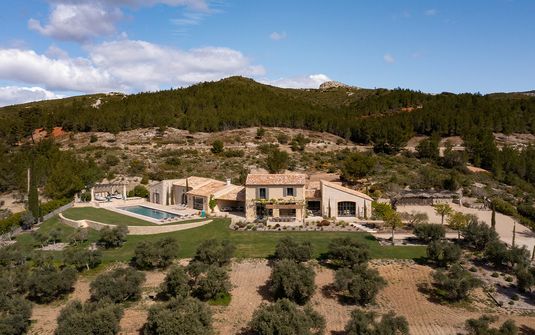
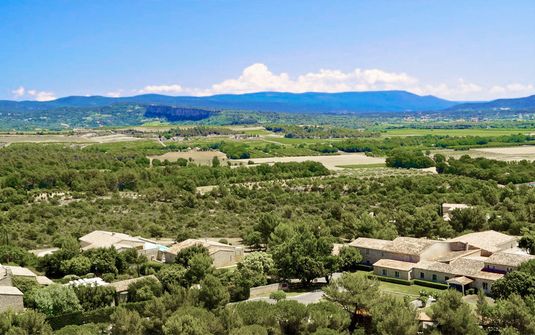
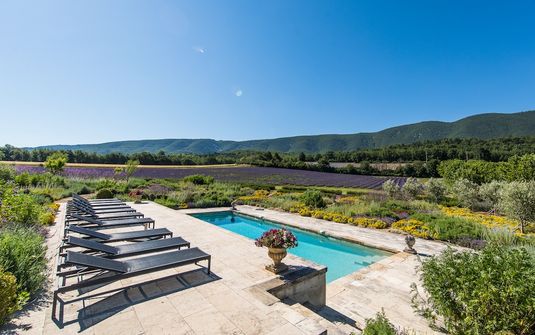
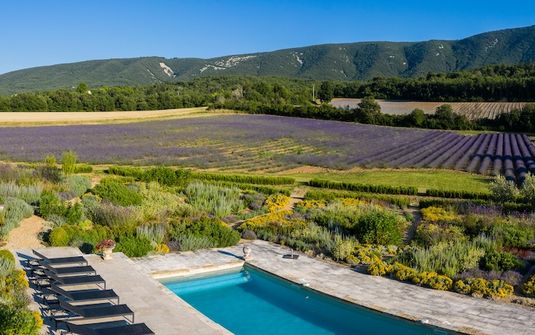
Much of the region’s character is found in the relationship between open land and enclosing contours. A field or orchard may provide a broad foreground, while a wooded slope or rocky ridge gives the view a clear edge. Villages introduce another layer through their compact forms and repeated rooflines. A private residence can use these elements to create a setting with depth, allowing different rooms to frame different aspects of the landscape rather than directing the whole house towards one panoramic scene.
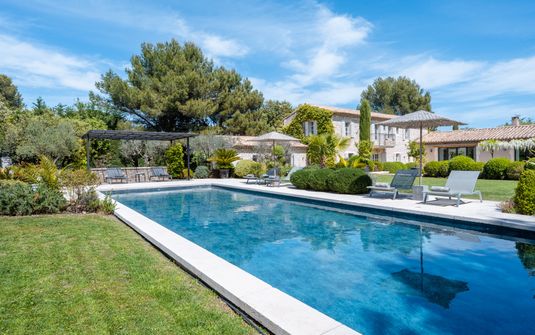
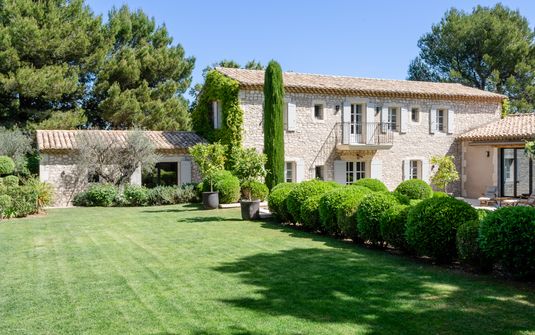
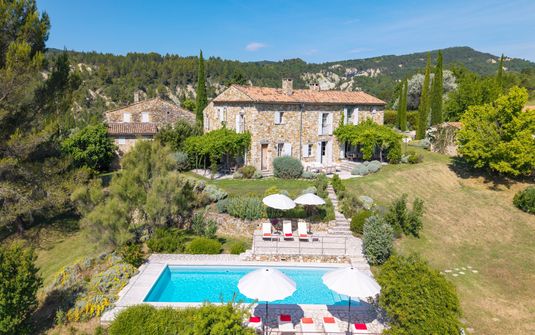
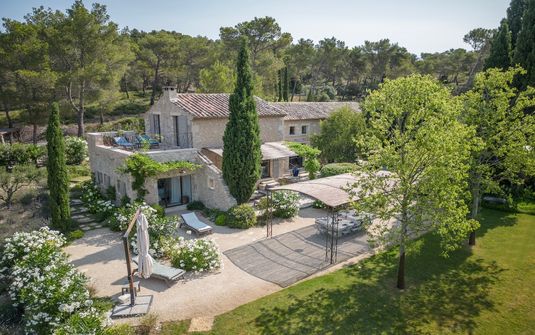
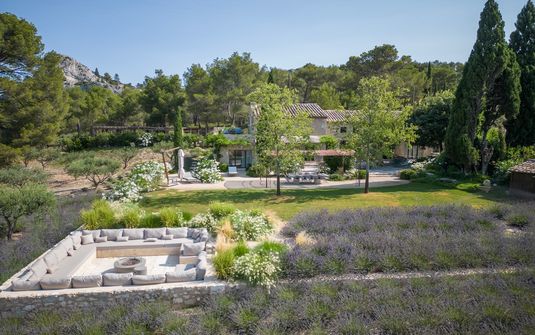
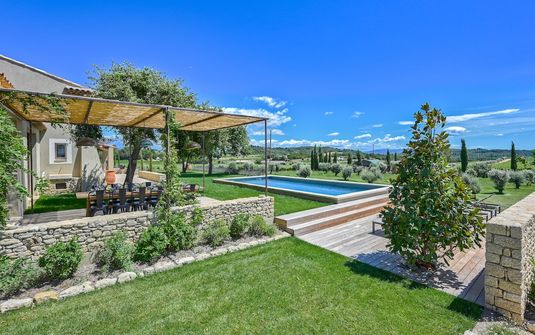
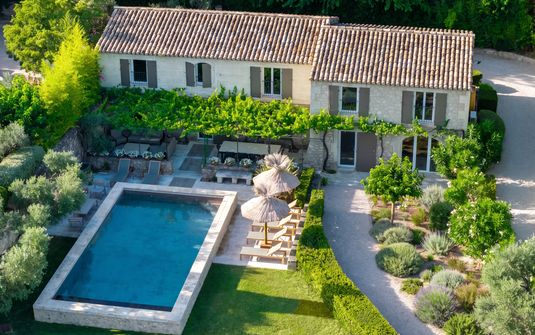
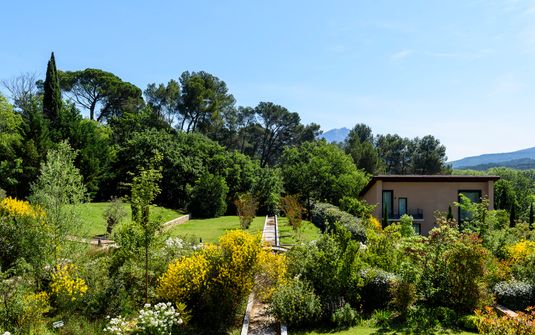
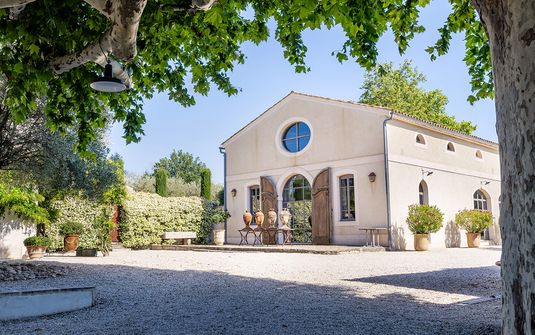
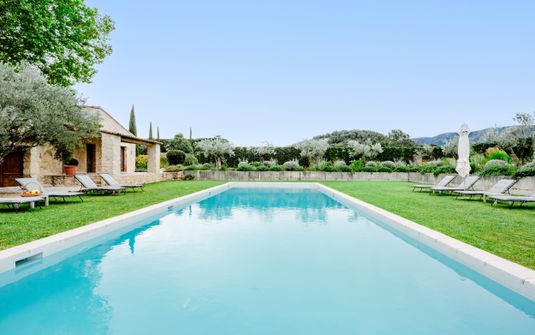
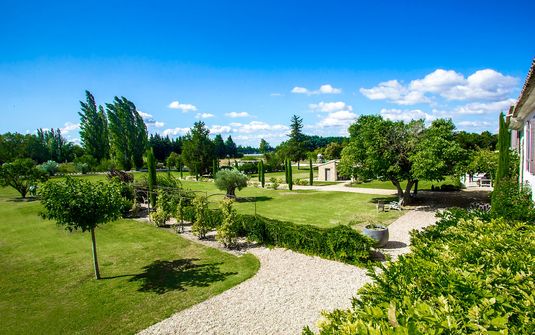
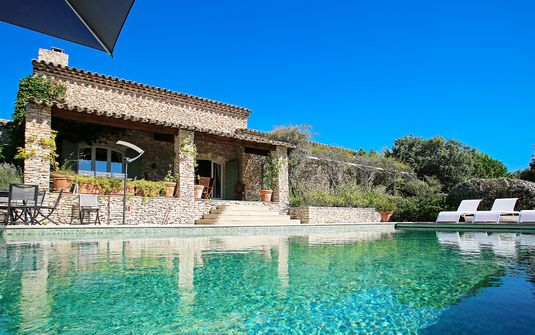
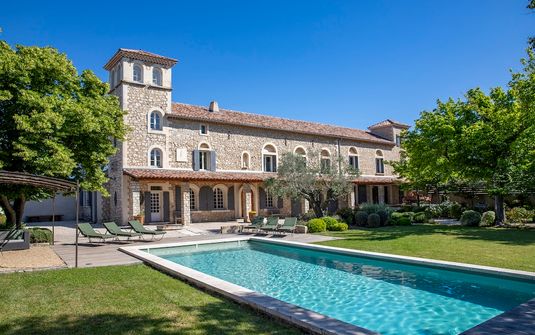
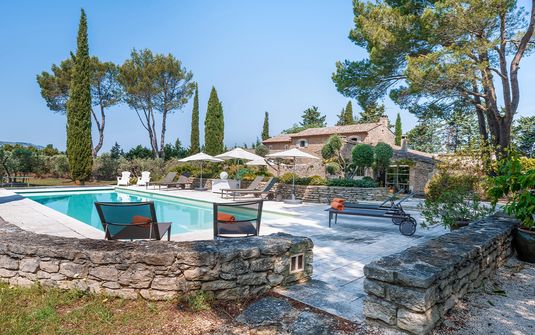
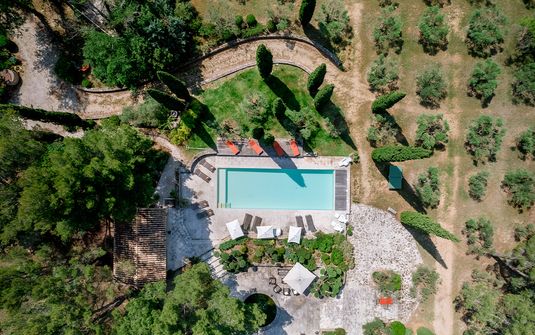
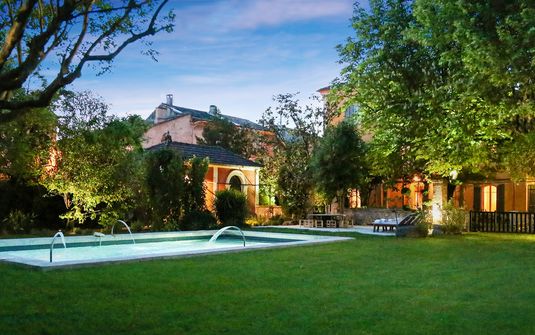
The land immediately around the building is equally consequential. Mature cypresses, established trees, stone boundaries and planted terraces can give a property a sense of permanence. Their arrangement determines whether the house feels open to the surrounding country or more withdrawn into its own grounds. A protected courtyard and an expansive lawn offer different kinds of intimacy, and the most comfortable estates often contain both, giving the household several ways to inhabit the exterior without leaving the property’s private setting.
Distinct Residential Settings Within Provence
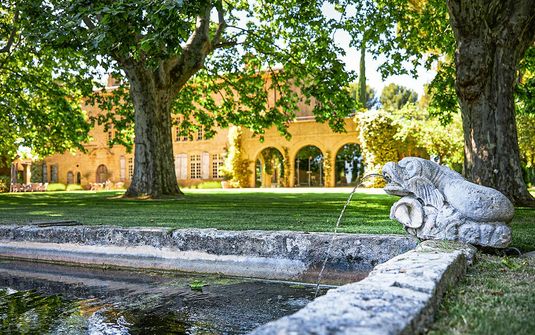
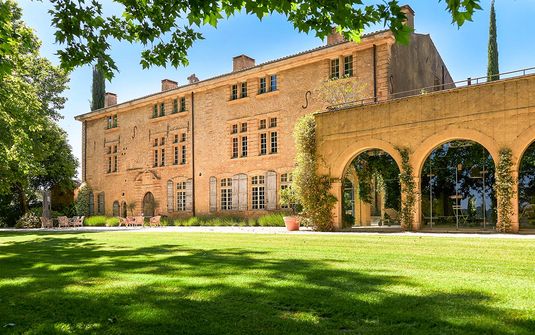
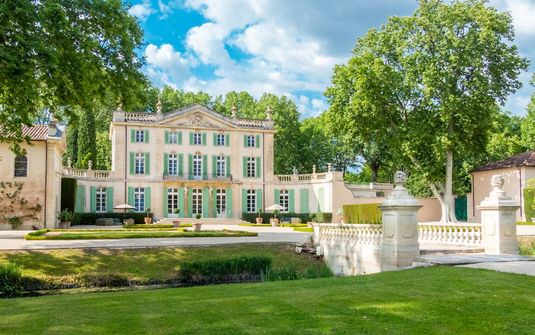
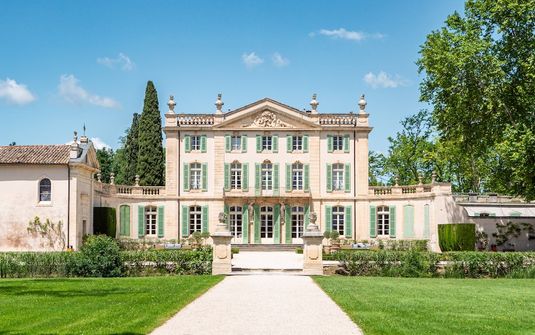
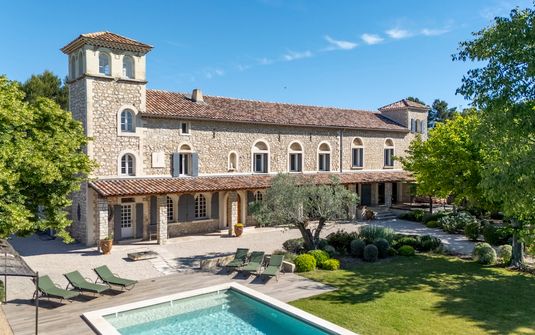
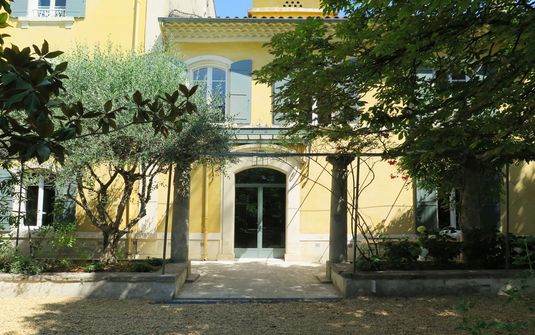
The Aix-en-Provence collection brings a more formally composed architectural character into the regional picture. Country houses and bastide forms can draw on generous proportions, ordered façades and a deliberate sequence between approach, entrance and garden. The atmosphere is often one of measured elegance rather than rustic display. A residence in this setting may feel closely connected to the tradition of the substantial southern French house, with interiors whose calm derives from scale and proportion as much as from decorative detail.
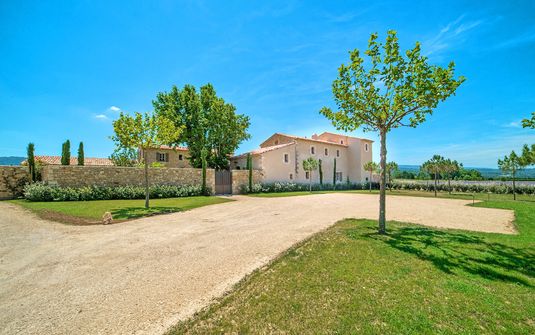
The Avignon Area offers another relationship between established architecture and the surrounding plain. A private estate may be defined by mature grounds, agricultural horizons and buildings whose materials connect them to a wider historic landscape. More enclosed properties can concentrate their character within courtyards and gardens, while open rural settings give greater presence to the land beyond. The collection is particularly suited to a household seeking a substantial residence with enough architectural depth to feel grounded and enough space to retain a personal rhythm.
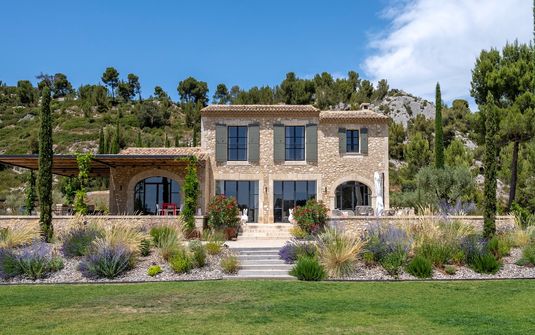
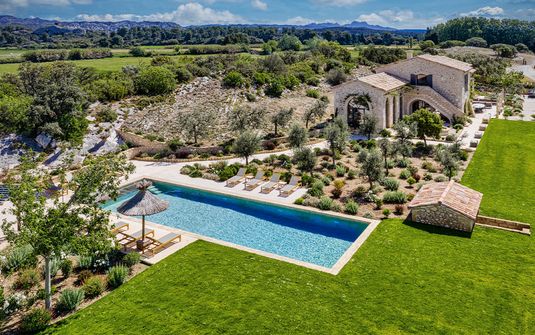
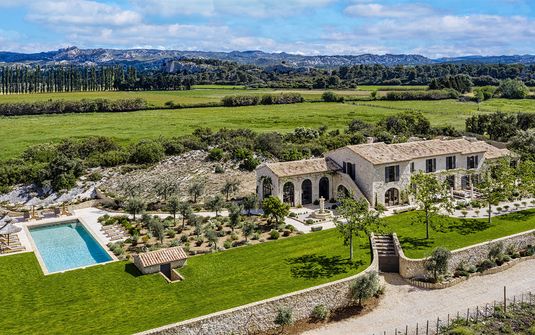
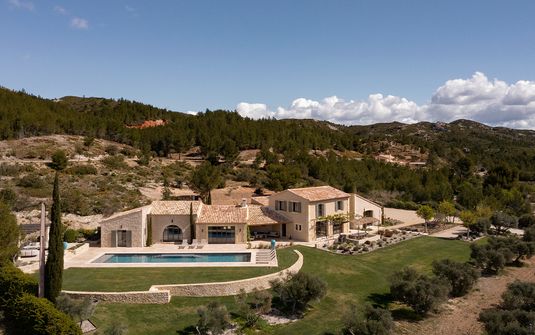
Les Alpilles has a more emphatic limestone identity. The ridge introduces a recognizable backdrop above cultivated lower ground, giving private houses a setting in which stone, trees and terrain are closely related. A restored mas or a carefully interpreted contemporary villa can feel especially convincing here when its exterior palette remains restrained. The landscape already supplies texture and visual strength, allowing the architecture to concentrate on enclosure, comfortable room proportions and a coherent relationship with the immediate grounds.
The Luberon offers a broader interplay of hilltop settlements, open valleys and wooded contours. A house may look towards a compact village silhouette, across agricultural land or into a quieter planted setting. This variety gives the collection several residential registers, from the contained intimacy of a village property to the independence of a detached estate. The most distinctive homes retain the particular character of their position, allowing the building and its outlooks to express a precise location within the wider landscape.
The Mountain Presence of the Ventoux Area
The Ventoux Area is defined by the visual presence of the mountain and the varied country around its lower slopes. A residence need not stand in an exposed position for that geography to shape the stay. The mountain may appear beyond fields and rooflines, while a garden provides a more intimate foreground. This relationship between a substantial distant landmark and a comfortable domestic enclosure gives the setting a character distinct from Provence’s more village-led or purely valley-based addresses.
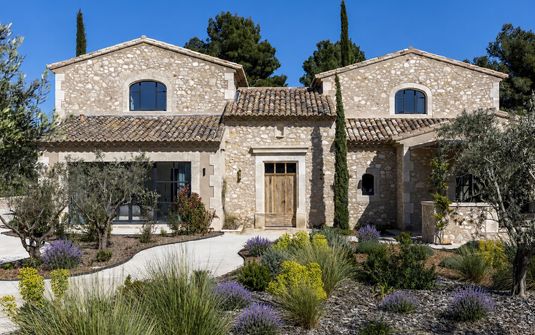
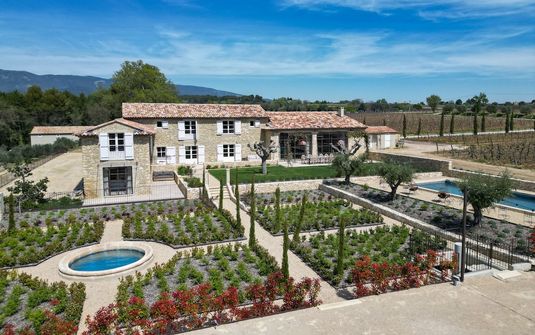
Across these collections, local variation should remain visible. A pale-stone house beside a planted court does not offer the same atmosphere as a more formal bastide opening onto a long garden axis. Nor does a broad estate automatically provide greater privacy than a carefully enclosed smaller property. The value of the regional choice lies in matching the actual building, grounds and outlook with the household’s preferred way of staying together, preserving the differences that make individual Provençal addresses memorable.
The Architecture of a Provençal Private Home
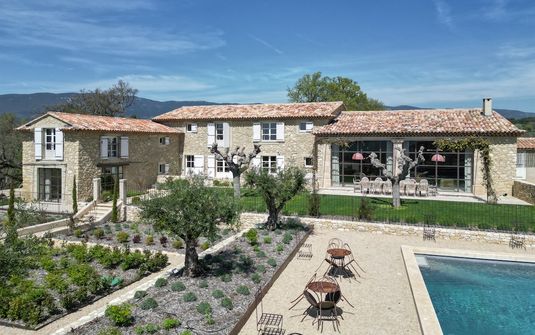
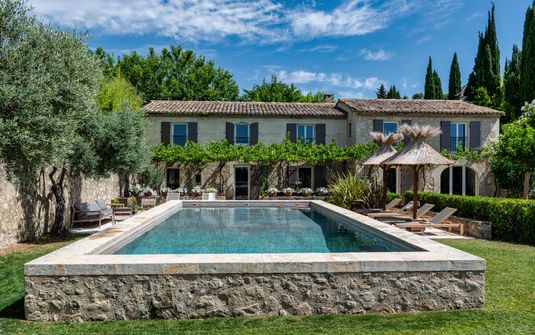
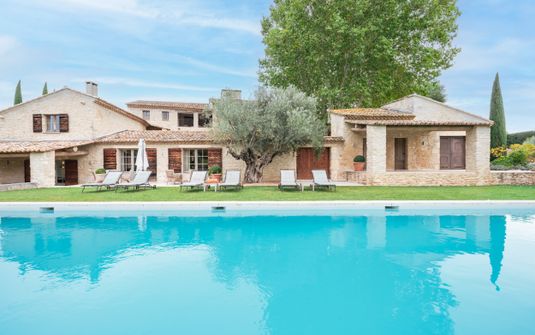
Traditional residences often derive their substance from thick masonry, shutters, tiled roofs and rooms whose proportions reflect the building’s original role. A farmhouse may unfold gradually around older structural divisions, while a more formal country house presents a clearer hierarchy between principal rooms and private accommodation. Restoration is most persuasive when it keeps those distinctions legible. Contemporary comfort can be introduced discreetly, allowing the house to retain its identity without requiring guests to accommodate an inconvenient or overly theatrical historical interior.
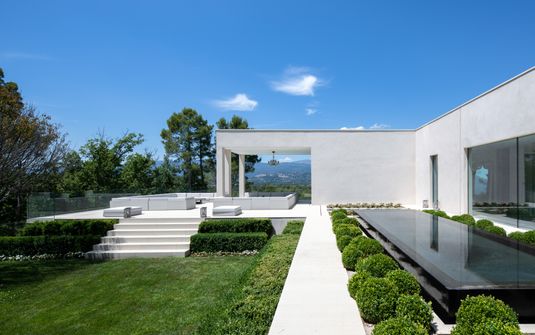
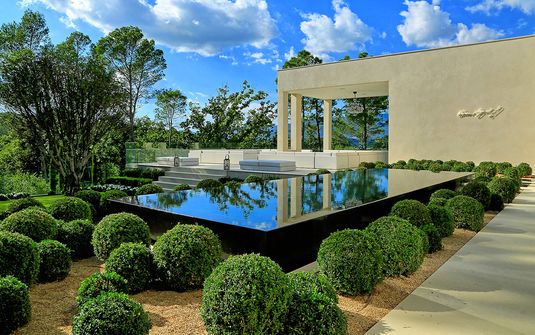
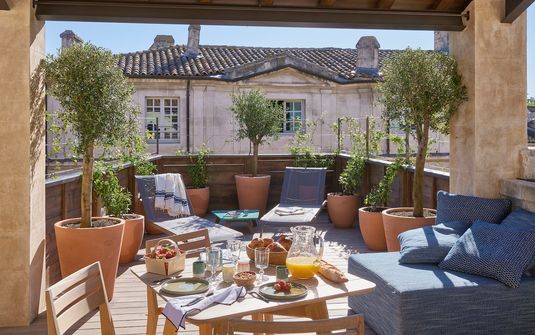
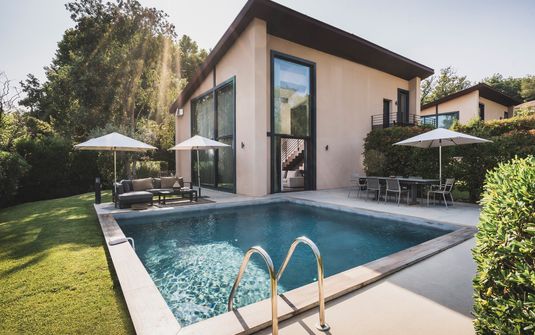
Newer villas can belong equally convincingly to the region when their design respects the scale of the site. Restrained volumes, natural materials and sheltered exterior spaces can interpret Provençal living without reproducing every traditional feature. Generous openings are strongest when balanced by places of enclosure. A quiet room behind a substantial wall, a private suite facing a court or a deep terrace beneath the roofline gives the residence a domestic richness that a continuous glazed façade alone cannot provide.
A Complete Setting for the Household
The arrangement of suites should support both connection and independence. Separate wings or guest buildings can give part of a group greater autonomy, while bedrooms closer to the main rooms may suit a family that prefers proximity. The quality of the stay depends on these relationships rather than on capacity alone. A residence feels balanced when its secondary suites and quieter sitting areas receive the same care as the principal lounge, giving every part of the household a comfortable place of its own.
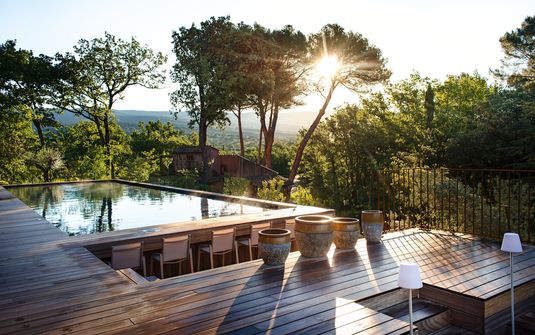
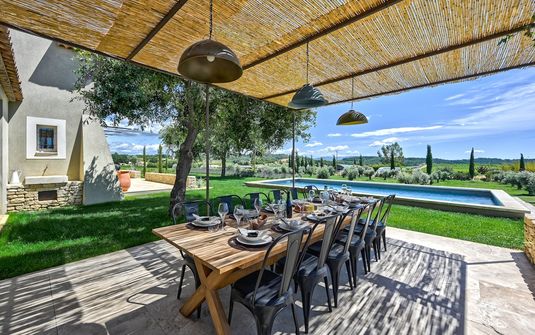
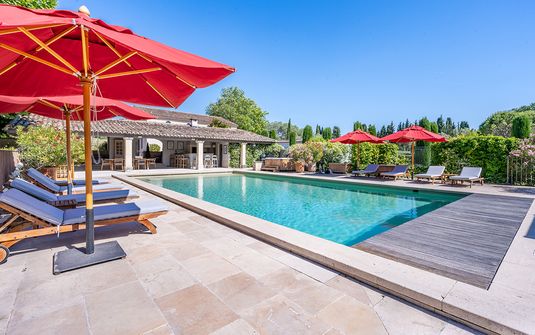
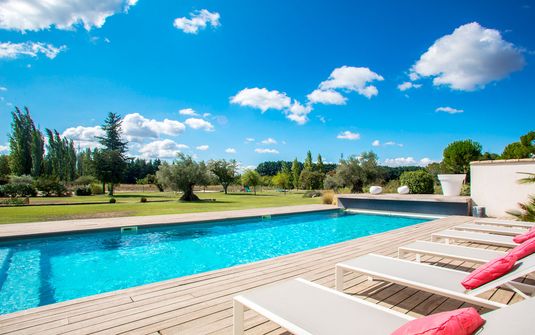
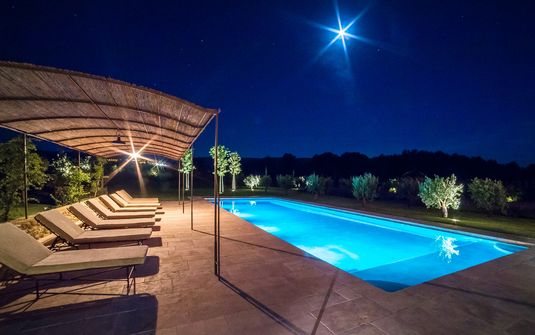
Exterior spaces should offer a similar range. The main terrace can act as a communal center, while a smaller garden room, a planted court or a more protected edge of the grounds provides a quieter alternative. Boundaries and neighboring sightlines matter because privacy is experienced through the areas actually occupied, not simply through the acreage attached to the estate. Thoughtful planning allows the property to feel open to its landscape while remaining discreet and distinctly residential from within.
The Substance of a Provençal Stay
A private stay in Provence is most compelling when the house has enough character to sustain attention over time. The depth of a window reveal, the texture of a stone floor and the view across a familiar terrace can become defining elements of the experience. These details create a personal relationship with the setting, giving the household a home whose atmosphere is rooted in the region rather than assembled from a generalized image of southern French luxury.
Provence’s enduring distinction lies in the coherence of architecture and land. Its different collections offer meaningful alternatives in scale, outlook and residential character, while sharing a strong material and landscape identity. A thoughtfully selected property can bring those qualities together in a way that feels generous, private and unforced. The result is a country residence that belongs to its surroundings and gives the household an independent setting with depth, comfort and an unmistakable sense of place.


