




Long Bay: A Private Coastal Landscape with Distinctive Villa Architecture
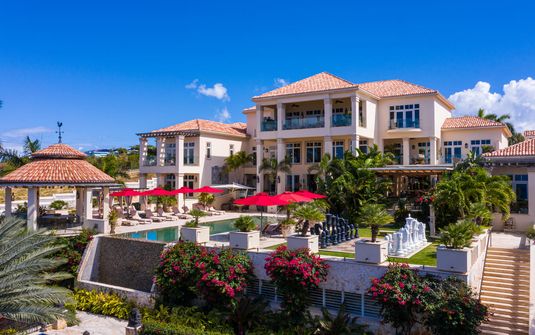
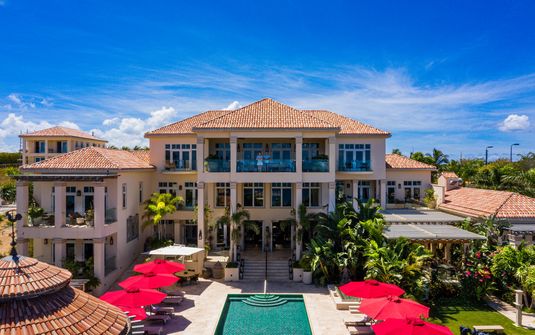
Long Bay brings a recognisable northern coastal setting to Anguilla’s West End, where the relationship between sandy shore and the ground above it gives private residences a strong sense of place. The bay is associated with houses of notably different architectural character, from pale Mediterranean-influenced villas to estates organised around courts and separate pavilions. This variety gives the destination depth beyond a single image of coastal luxury. The individual residence determines whether the stay feels panoramic and expansive, more enclosed and garden-centred, or a carefully balanced combination of both.
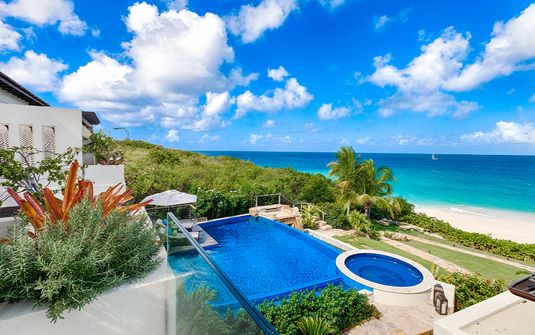
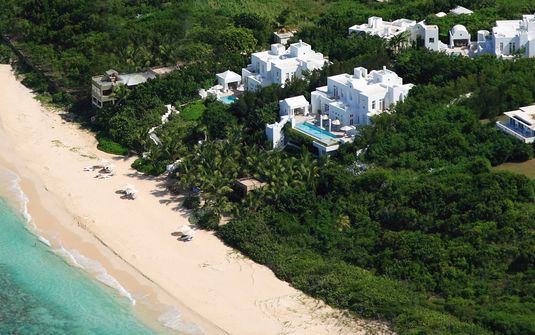
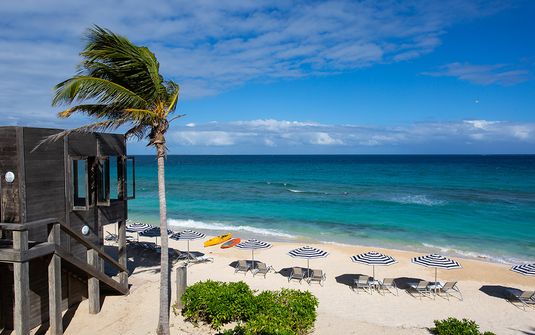
Within the Caribbean, Long Bay is particularly appealing for the way its houses can occupy different levels of the same coastal landscape. A property close to the sand offers an immediate relationship to the shore, while higher ground introduces a wider perspective and a more layered foreground. Terraces, gardens and private rooms connect those conditions within the residence. The setting is therefore not experienced from one fixed point, but through a sequence of spaces whose proportions and orientation give the household several ways to inhabit the house and its surroundings.
Sea, Sand and Sky: Three Distinct Coastal Positions
Long Bay Villas
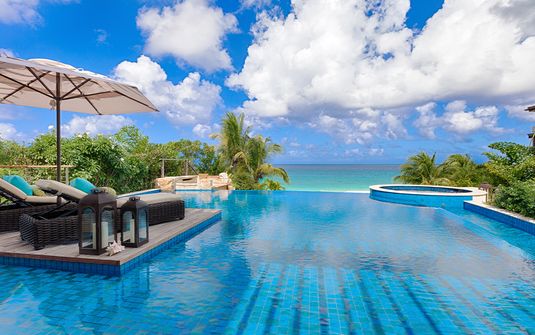
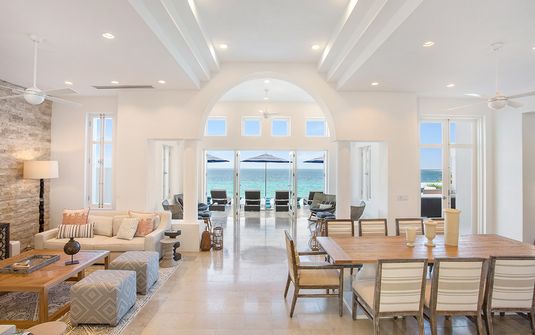
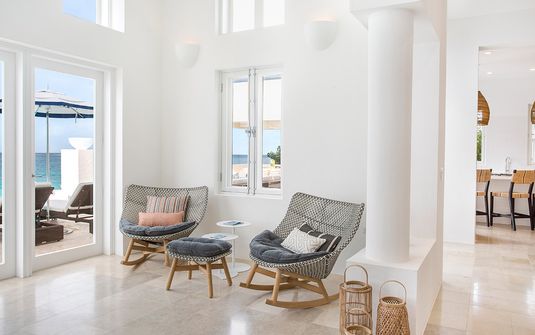
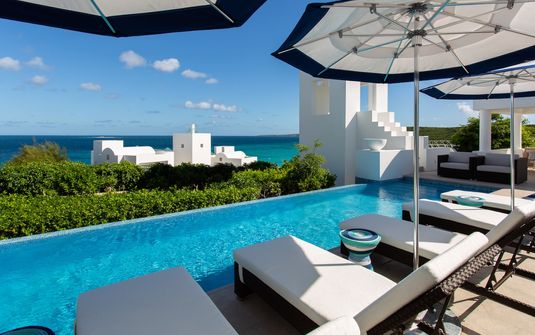
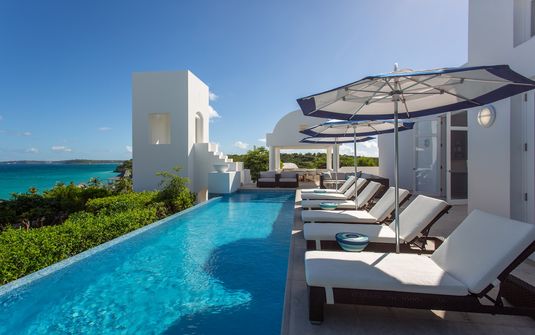
The Sea, Sand and Sky residences at Long Bay Villas illustrate how individual houses can interpret the bay differently. Sand Villa and Sea Villa have a closer relationship to the shoreline, while Sky Villa occupies a more elevated perspective. Mediterranean-inspired architectural details and contemporary interiors give the collection a recognisable visual identity, but the position of each house remains important to its atmosphere. A terrace closer to the sand creates another sense of scale from one looking over the coast, allowing the same destination to support several distinct private residential experiences.
Their separate principal rooms, terraces and pools give each villa a clear domestic centre. A private house remains comfortable when shared spaces have sufficient variety to serve different scales of company, with quieter interiors and suites providing alternatives to the main gathering area. Within a collection such as this, the value is not simply the presence of several houses in one setting. Each needs its own coherent plan and sense of privacy, allowing a household to settle into an individual residence rather than feeling that its rooms are extensions of a single larger communal environment.
Nevaeh: Courtyards and a Balinese-Influenced Composition
Nevaeh adds a different architectural language to Long Bay. Conceived with a modern interpretation of Balinese spatial ideas, the estate brings open courts, natural materials and separate residential elements into a setting that descends toward the shore. Timber pergolas, carved details and carefully placed garden spaces give the property an intimate scale alongside the coastal outlook. The house’s identity emerges through those transitions, with enclosed and open settings forming a sequence rather than a single continuous facade. The sea remains important, but the architectural experience also has a strong inward dimension.
The relationship between courts and principal rooms gives a residence of this type depth throughout the day-to-day life of a household. A planted interior space can become a quiet reference point, while a larger terrace opens toward the bay. Separate accommodation introduces another degree of privacy, allowing guests to withdraw without leaving the wider estate. The garden and connecting exterior spaces hold these elements together, making movement between rooms part of the domestic composition. This creates a home that is rewarding from within, with several distinct settings beyond the most immediately dramatic coastal view.
A Coastline Experienced through Different Levels
Changes of level can give a Long Bay residence several relationships to the landscape. An upper room may frame a broad sea prospect, while a lower terrace brings the shore closer and a garden-facing suite introduces a more enclosed mood. The quality of the house depends on how naturally these spaces connect. A clear principal living area provides a shared centre, and quieter wings retain their independence without feeling detached. The architecture follows the ground as a coherent sequence, allowing the household to appreciate the site from different positions while continuing to inhabit one recognisable private home.
Exterior rooms deserve the same attention as the interior plan. A deep veranda can feel like a full room beside the main lounge, while a smaller open terrace offers a more intimate setting near a suite. Defined edges, comfortable proportions and considered planting give these spaces purpose beyond their outlook. Their differences make a larger residence easier to use, with settings that remain inviting for only a few guests as well as the whole household. The landscape becomes part of ordinary domestic life, rather than a panorama experienced only from one oversized central deck.
Privacy within the Residence and its Grounds
The position of neighbouring buildings and terraces still matters within an established coastal setting. A broad view does not by itself establish seclusion, and a house needs to create privacy through its actual boundaries and orientation. Planting can protect a smaller exterior room while leaving the principal outlook open, and a bedroom can turn toward a private court rather than the main shared terrace. These decisions allow the residence to retain a close visual relationship to Long Bay while providing interiors and garden spaces that feel distinct, comfortable and personal to the household.
For a group sharing the house, internal separation adds another layer of comfort. A quieter suite entrance, a secondary lounge or independent guest accommodation allows different daily rhythms to coexist without making the home feel fragmented. The main rooms remain a natural point of connection, while smaller spaces support reading, focused work or time apart. The generosity of the residence lies in that variety and usefulness. A thoughtfully arranged house feels comfortable when only a few guests occupy it and remains coherent when the entire household is together, with private settings that retain their own sense of purpose.
A Home with Character beyond its Coastal Position
Longer stays make the material quality of the interiors increasingly important. Textured walls, timber details and comfortable furnishings give rooms a tactile identity that does not depend on the view alone. A bedroom can feel warmer and more enclosed than the principal lounge, while a garden-facing sitting area offers a different visual centre from the main terrace. These contrasts make the house more personal over time. The setting remains distinctive, but the residence has enough domestic depth to sustain the experience through the repeated enjoyment of its quieter rooms and less conspicuous exterior corners.
Long Bay combines a clear coastal identity with a notably varied architectural landscape. The different positions of Sea, Sand and Sky, and the courtyard-based character of Nevaeh, show several ways a private home can respond to the same bay. The most rewarding stay brings those particular conditions into balance, giving the household a coherent residence with its own atmosphere. Luxury is expressed through the relationship between outlook, grounds and private rooms, with enough spatial variety and domestic comfort to make an extended Anguillan stay feel settled, individual and closely connected to place.


