





Bali: Private Compounds with a Distinctive Garden and Pavilion Rhythm
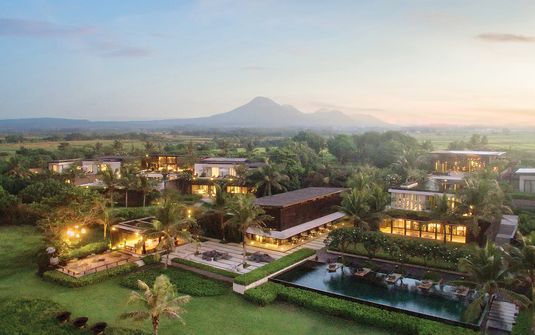
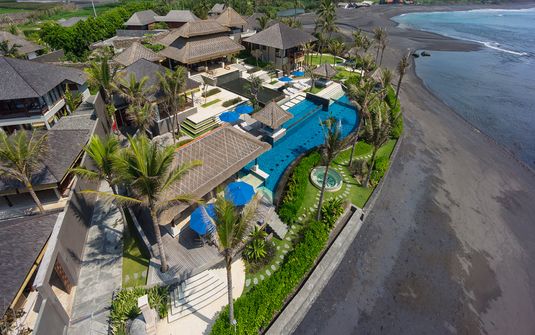
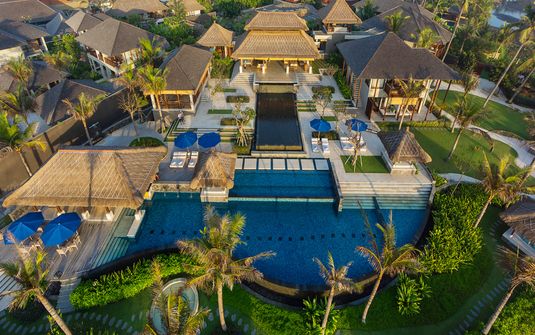
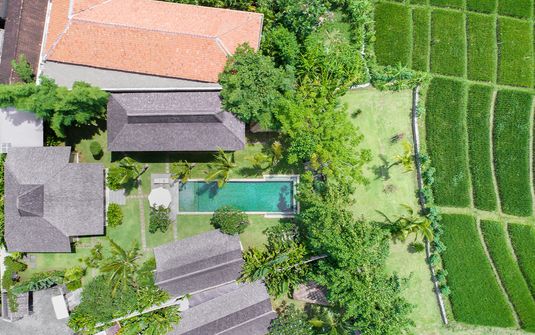
Bali gives Indonesia a particularly recognisable residential character through the relationship between individual pavilions and the open spaces around them. A private compound can be experienced as a sequence of rooms, courts and planted transitions rather than one continuous building. The garden participates in the architecture, giving separate accommodation a common setting while preserving its individuality. This organisation makes a substantial residence feel personal, allowing the household to gather around a clear centre and retain quieter spaces elsewhere within the same protected address.
Within the Asia collection, the island’s appeal extends beyond a single image of tropical coastal living. Volcanic landforms, cultivated ground, wooded slopes and different shoreline settings create markedly varied contexts for a villa. An inland residence may draw its atmosphere from a close green foreground, while a coastal home opens towards a broader water prospect. The precise position and architectural composition determine the experience, giving the stay a local identity that is more specific than a general promise of garden privacy or an expansive ocean view.
The Compound as a Sequence of Domestic Places
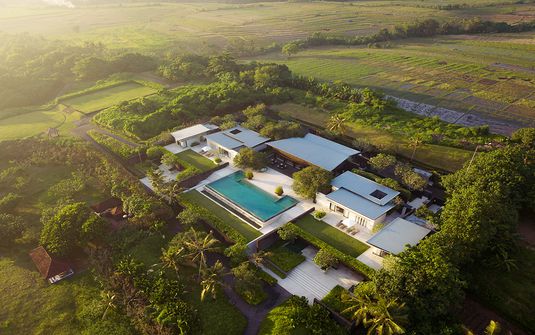
A defined entrance can establish an immediate change of scale, moving from the surrounding setting into a more contained residential world. Beyond it, a court or planted space provides orientation before the principal rooms are fully revealed. The progression gives the home depth without requiring every part to be formal. A shared living pavilion can occupy a prominent position, while suites sit along quieter garden edges, allowing the architecture to distinguish between communal and personal life through the way its separate parts are arranged.
Covered transitions and garden passages make the spaces between pavilions an active part of the residence. The household remains within one complete home even when its members occupy different buildings. The quality of these connections matters: a smaller court can provide intimacy near a suite, while a more open garden area establishes the shared centre. A coherent compound gives each place a clear relationship with the others, making the residence feel generous through its variety rather than treating the landscape as unused distance between rooms.
Inland Gardens and Coastal Perspectives
An inland Bali address can have a strong relationship with vegetation and the contours of the ground. A room may look across a planted slope or towards more cultivated land, with the immediate foreground carrying much of the atmosphere. Changes of level can create natural distinctions between terraces and accommodation, giving private rooms individual outlooks. The house benefits from architecture that respects this existing structure, allowing the setting to remain legible instead of replacing it with a single open platform whose rooms all receive the same view.
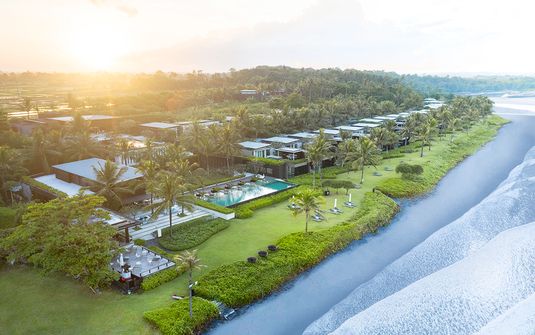
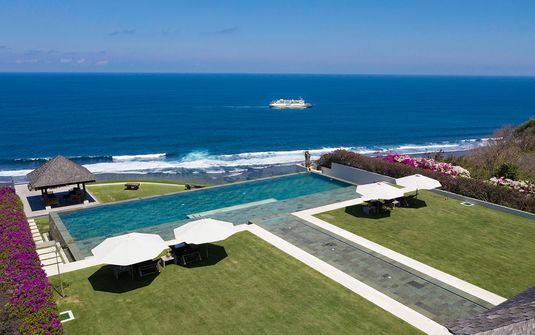
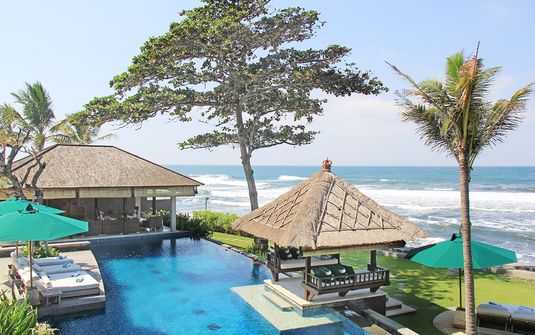
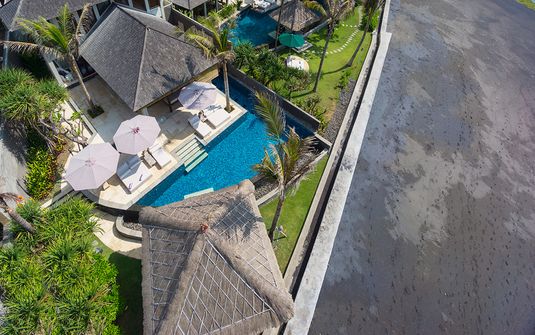
A coastal residence introduces another scale through water, horizon and the particular character of the shore. Its grounds can still create an intimate domestic foreground, using planting, walls and covered exterior rooms to hold the larger prospect. The experience differs from a more enclosed inland compound, and neither should be assumed from the destination name alone. A distinguished villa makes its actual relationship with the island clear, giving the household an honest sense of the setting and the degree of openness or seclusion the property provides.
Craft and Material Presence within the Residence
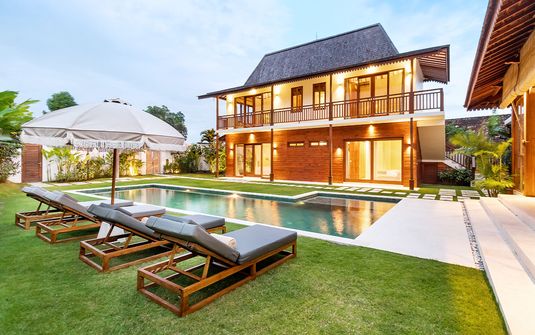
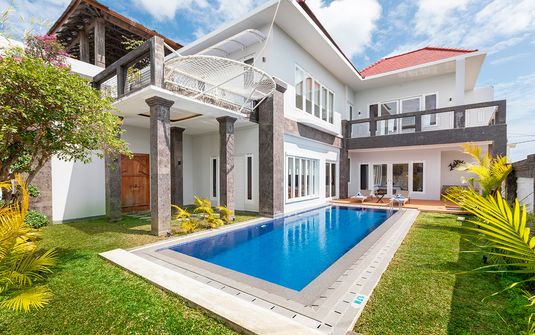
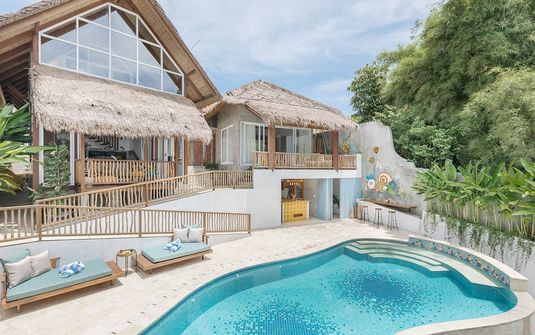
Timber structure, worked stone and carefully detailed openings can give a Balinese home architectural substance at close range. The proportions of a roof or the depth of a covered pavilion contribute as much as decorative detail to the sense of place. Crafted screens and selected surfaces may introduce texture, while quieter areas allow the composition of the room to remain apparent. The most persuasive interior does not need every element to be equally expressive; restraint gives particular materials and details greater clarity within the whole residence.
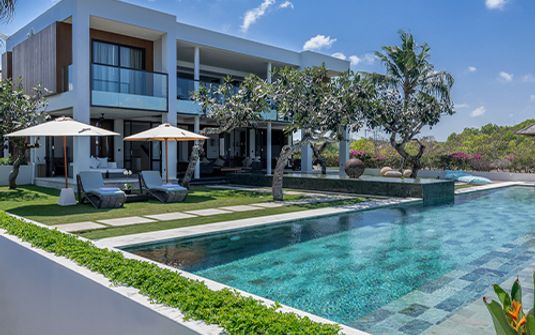
Contemporary interpretations can preserve this spatial and material identity while simplifying the forms. Broader openings may connect communal rooms with the garden, and quieter finishes can give suites a more intimate atmosphere. Furnishings and lighting make these interiors comfortable without obscuring the underlying architecture. The result is a home with several complementary registers, allowing a generous shared pavilion and a smaller sitting room to feel equally considered. Refinement extends through the accommodation, becoming apparent in everyday use rather than remaining concentrated in the principal reception space.
The Garden at the Centre of Private Life
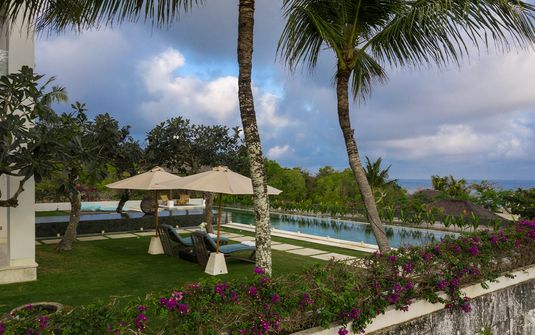
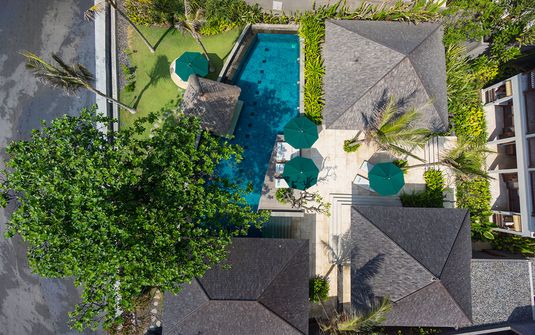
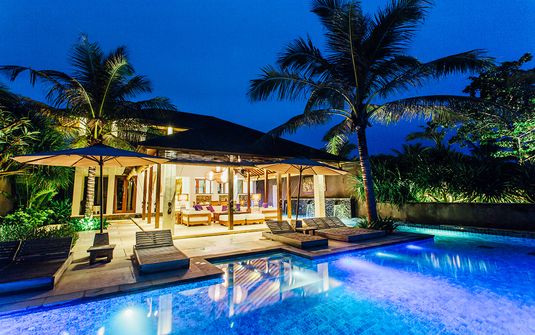
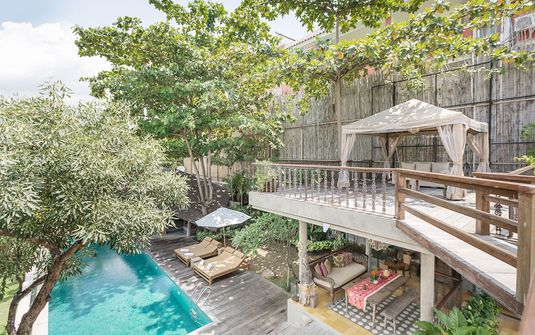
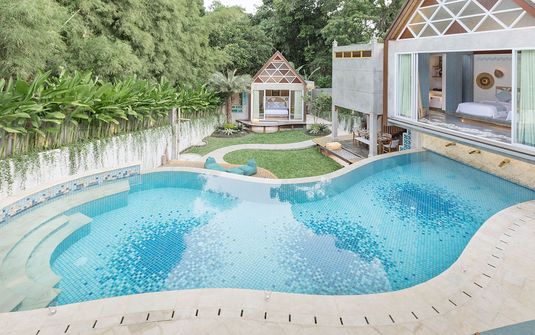
Mature planting can provide enclosure within a compound, softening boundaries and creating different degrees of privacy between occupied areas. A court near the main rooms may offer a shared setting, while a planted edge gives a suite a more personal foreground. Where water features or a pool belong to the residence, their position forms part of this larger arrangement. The grounds feel most convincing when each element supports the architecture, allowing exterior spaces to function as inhabited parts of the home rather than a series of independent amenities.
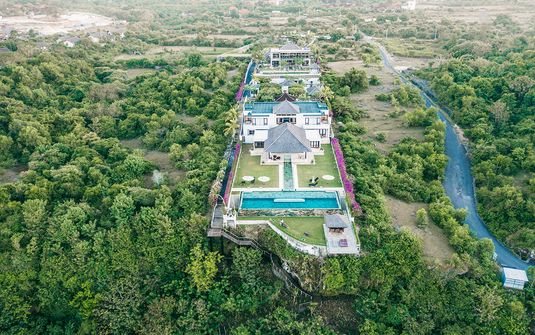
The actual pattern of neighbouring buildings remains important, even within a generously planted property. Window orientation, terrace levels and the position of private accommodation determine how comfortably the compound can be occupied. An extensive garden and complete visual separation are different qualities. A well-resolved home uses its layout to protect personal rooms and quieter exterior spaces, giving discretion a practical expression within the residence while allowing the surrounding landscape to retain a clear presence beyond its boundary.
A Shared Home with Meaningful Independence
Separate accommodation pavilions can give several couples or generations autonomy while preserving a clear communal centre. The strongest arrangement offers consistent comfort across the suites and more than one shared setting, allowing different routines to coexist naturally. A principal living room may support larger gatherings, while a smaller lounge or covered garden space creates a quieter alternative. Where discreet household support is included, considered working areas help practical care integrate with the home’s private rhythm, keeping the personal accommodation and most intimate exterior spaces comfortably independent.
Bali becomes particularly memorable through the familiarity of a specific residence: the progression from an entrance court to the garden, the texture of a timber-lined room or the outlook from a quieter pavilion. These relationships make the home feel individual over time. Its distinction lies in the coherence of the architecture and grounds, bringing the island’s landscape and building traditions into a personal domestic setting. A private stay then offers substance, space and discretion through the actual character of the residence and its particular place within Bali.


