





The Amalfi Coast Collection: Private Residences Along a Dramatic Mediterranean Landscape
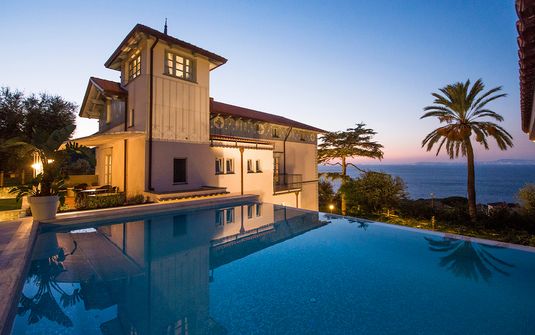
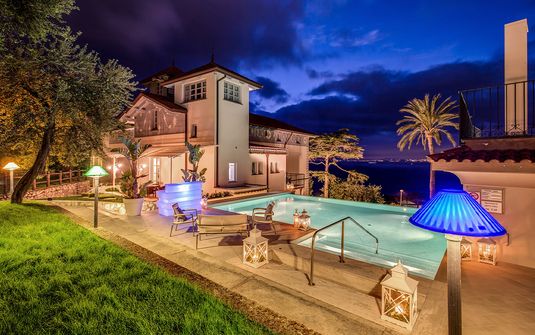
The Amalfi Coast collection brings together a distinctive range of southern Italian coastal addresses, where steep terrain, terraced buildings and the sea create an unusually close relationship between architecture and landscape. Within Italy, this setting offers a residential experience shaped by changes in level and carefully framed outlooks. A private house can feel expansive through its view while remaining intimate in its rooms, courts and sheltered exterior spaces.
The collection includes mainland coastal settings as well as the separate island perspective of Capri and the broader context of the Sorrentine peninsula. These places should not be treated as geographically identical. Their differences are part of the appeal, giving a household meaningful alternatives in architectural character, topography and residential atmosphere. The strongest choice is a residence whose particular site is understood clearly, allowing the building to provide an independent domestic center within a landscape that already has considerable visual force.
A Coastline Expressed Through Its Buildings
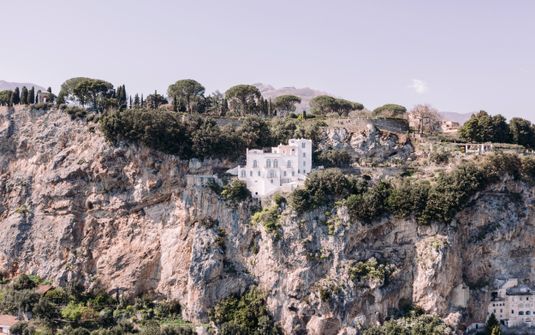
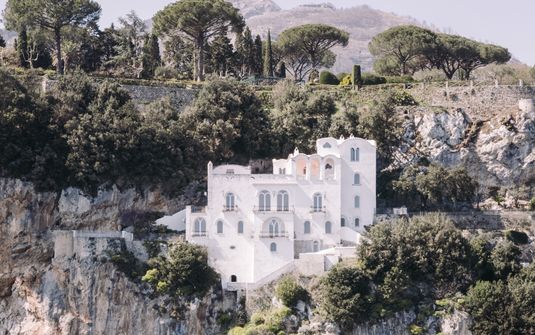
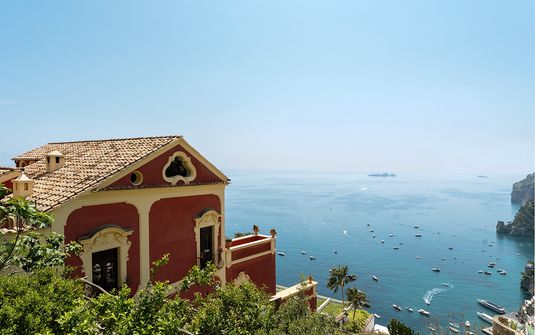
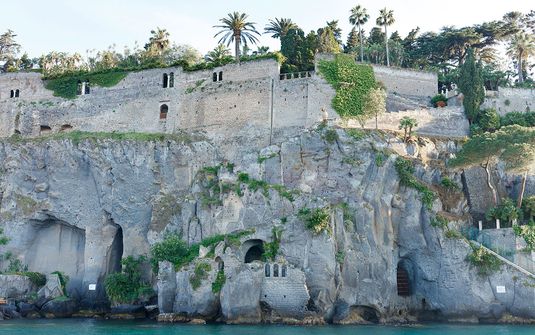
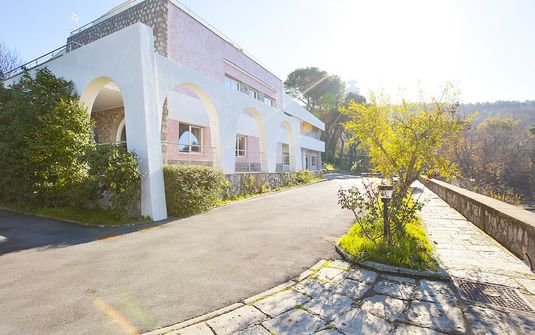
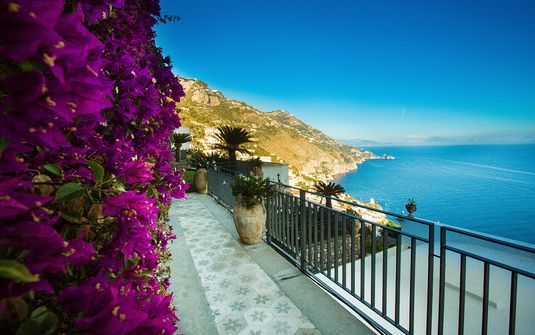
The steep meeting of land and sea gives many properties a vertical rather than horizontal organization. Terraces can step with the slope, rooms may occupy several levels and a façade viewed from below can conceal a more complex interior sequence. This is an architectural condition, not simply a scenic backdrop. A house is most convincing when it uses those changes in level to establish clear relationships between communal rooms and private suites, rather than allowing the terrain to produce an unnecessarily complicated domestic plan.
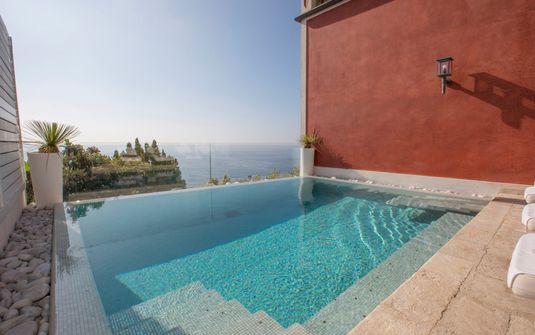
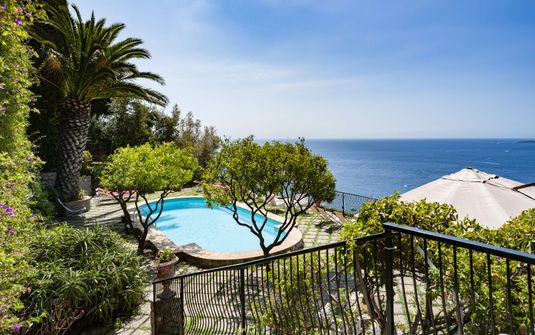
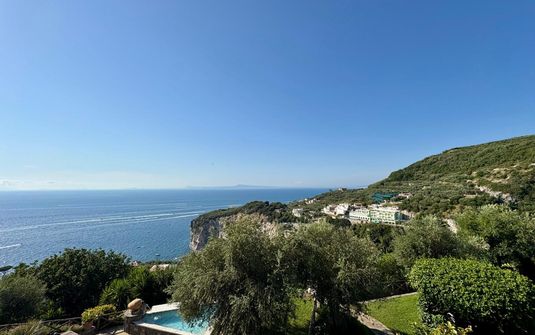
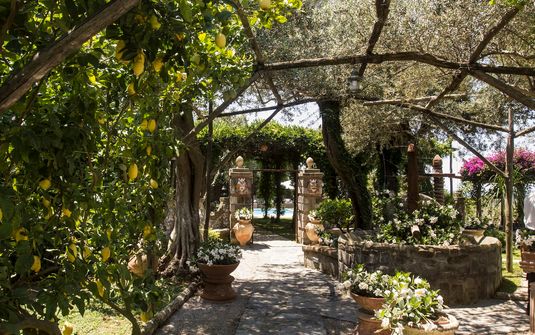
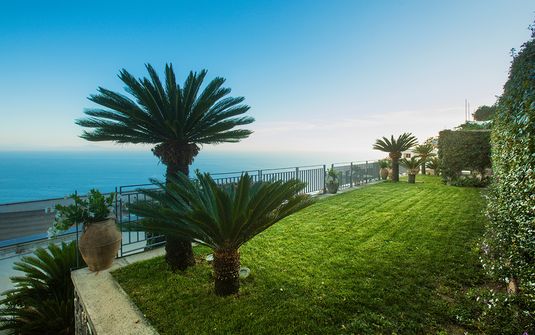
Views also vary in character. A broad sea prospect offers openness, while a more contained outlook across neighboring roofs and a curved bay provides greater local detail. Stonework, planted terraces and the depth of an exterior room can give those perspectives a comfortable foreground. The residence does not need every wall to disappear into glazing for the coast to remain present. A carefully framed opening may establish a stronger sense of intimacy than an exposed platform directed only towards the largest panorama.
Distinct Mainland Residential Settings
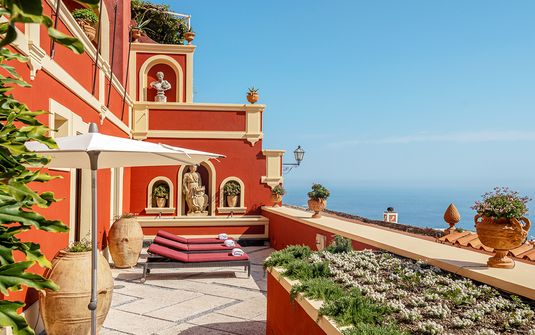
Positano is especially recognizable for the way buildings gather along the steep terrain, creating a layered composition of façades, terraces and rooflines above the water. A private residence can participate in that architectural landscape while establishing its own protected spaces within it. The quality of the setting depends on the exact position of the house and the degree of enclosure around its principal rooms, not simply on the reputation of the town or the breadth of a single sea-facing terrace.
Praiano offers another reading of the coastal slope, with private homes that can feel closely related to the contours of the land and the sequence of buildings around them. A residence may reveal a wider coastal prospect or retain a more intimate relationship with a planted terrace and the immediate settlement. Its appeal is often the balance between a strong Mediterranean outlook and a house whose rooms have enough warmth and variety to support a genuinely residential stay.
Maiori introduces a different physical scale through a broader coastal frontage and a valley setting that contrasts with the most tightly terraced parts of the coast. This gives the collection another residential register. A private house can relate to the town, the surrounding slopes or a more independent garden setting, with the individual plot determining how openness and privacy are balanced. The distinction is useful for guests who want the southern coastal character without assuming that every address must reproduce the same cliffside arrangement.
Salerno brings a more substantial urban dimension to the collection. Its coastal city setting offers a different architectural context from a smaller terraced settlement, allowing a residence to be considered through its neighborhood, façade and internal organization as much as its sea view. A private address can provide domestic independence within that broader urban landscape, with quieter rooms and protected exterior spaces creating a personal center rather than relying on a generalized image of an isolated coastal villa.
The Sorrentine and Island Perspectives
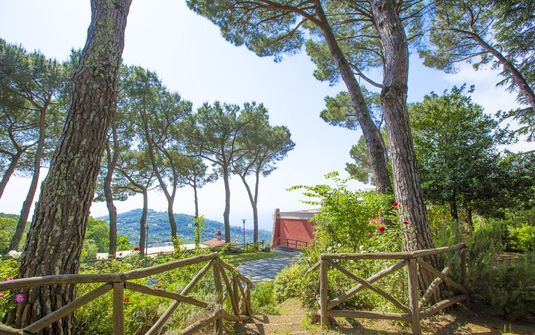
Sorrento belongs to the wider Sorrentine peninsula context and offers its own relationship between substantial buildings, planted grounds and the coast. A residence may express a more formal architectural character, with generous rooms and terraces that establish a deliberate sequence towards the view. The setting provides an alternative to the more compressed verticality of other coastal addresses, while remaining highly specific to the particular property and its relationship with the surrounding land and neighboring buildings.
Capri introduces a separate island experience, where limestone contours and a strong residential tradition create a distinct atmosphere beyond the mainland coast. Within the island hierarchy, Anacapri offers a more local setting with its own scale and relationship to the terrain. These addresses expand the collection’s range rather than simply repeating the mainland experience. Their appeal lies in the way a private house can translate island architecture, planted grounds and the sea into a coherent domestic environment.
Architecture with Character Beyond the View
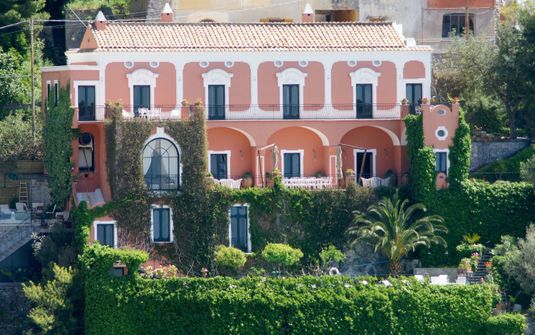
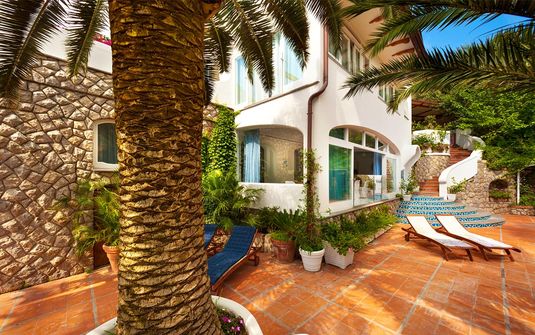
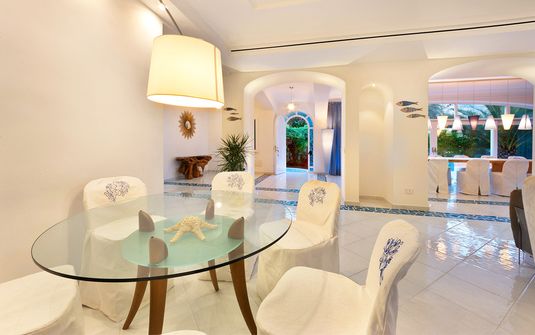
Traditional residences can retain vaulted rooms, thick walls, decorative tilework and a gradual progression between interior and exterior spaces. Their character is most persuasive when those features remain part of a comfortable home rather than a theatrical representation of coastal Italy. Contemporary restoration can introduce clarity through restrained furniture and discreetly integrated comfort, allowing the original proportions to remain visible. The building then gives the stay substance even in rooms where the principal panorama is not the dominant feature.
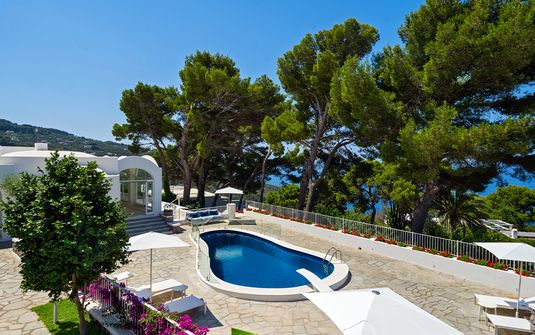
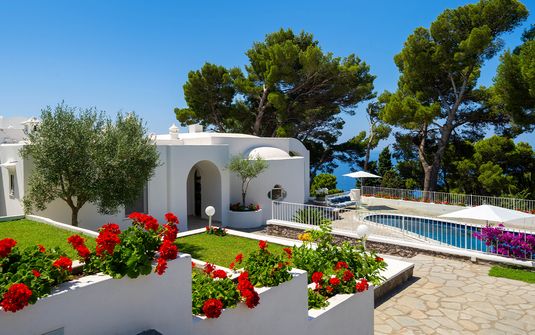
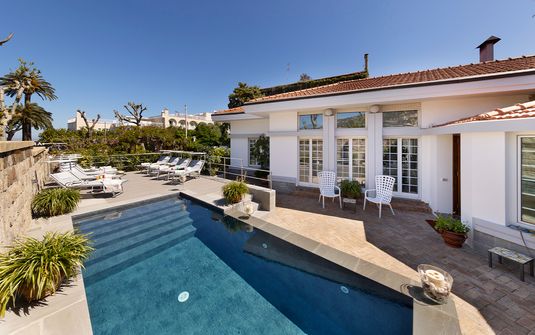
More recent villas may use broader openings and clearer volumes to establish a fluid relationship with terraces and gardens. They benefit from the same balance between openness and enclosure. A quiet sitting room, a sheltered court or a private suite with a more contained outlook provides a necessary counterpoint to an expansive communal space. This variety allows the household to inhabit the residence over time without requiring every part of its routine to revolve around one large, sea-facing room.
Privacy in a Closely Composed Coastal Landscape
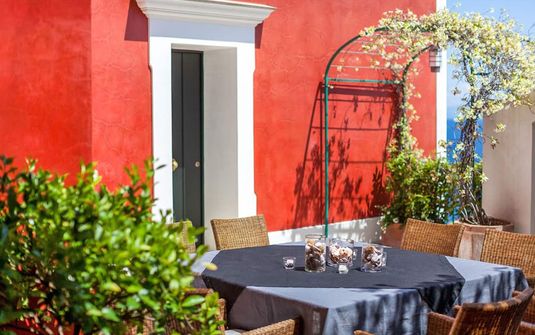
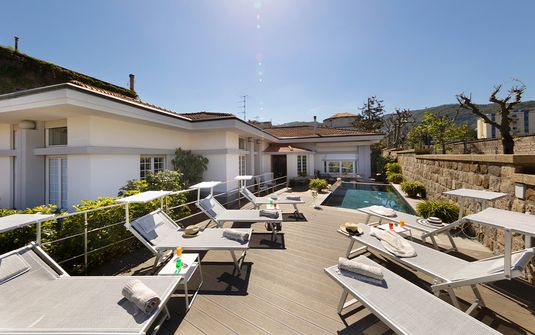
A distinguished address requires discretion to be considered precisely. Neighboring terraces, buildings on higher ground and the relationship between private rooms and access routes can all affect the experience. Elevation alone does not guarantee seclusion. The most comfortable residence creates protection through its plan, the depth of its exterior rooms and the orientation of its openings, allowing the household to enjoy the coast without feeling continuously exposed within the spaces it occupies.
Suite distribution is equally important. Separate levels or connected volumes can offer autonomy for couples or different generations, while a more compact plan creates a closer household atmosphere. The appropriate arrangement depends on the group, but the quality of private accommodation should remain balanced throughout. A villa feels generous when secondary suites and quieter communal rooms receive the same care as the principal terrace, making the whole residence comfortable rather than concentrating its appeal in one exceptional view.
A Private Stay with a Precise Sense of Place
The collection is most rewarding when its different settings are understood on their own terms. A terraced mainland house, a more formal Sorrentine residence and a private island villa each offer a distinct relationship with architecture and landscape. Their common appeal lies in the possibility of a complete home, with enough room for the household to remain connected and enough privacy for individual routines to continue naturally. The residence becomes the center of the experience rather than a temporary platform before the scenery.
For discerning guests, the enduring luxury of this southern Italian setting is the coherence of its parts. Stone, planted terraces, carefully proportioned interiors and the surrounding sea can create a deeply personal atmosphere when brought into balance. A thoughtfully chosen residence preserves the individuality of its location and gives the household a comfortable, independent setting, allowing the dramatic Mediterranean landscape to remain present without displacing the intimacy of a private home.


